
California · In effect since Jan 1, 2026
The new rules for every edited listing photo.
AB 723 is now California law. Stage a room, brighten a sky, or clear the clutter digitally, and you owe buyers two things: a clear label and a link to the original. Here’s exactly what counts — and how to stay clean while your listing still looks its best.
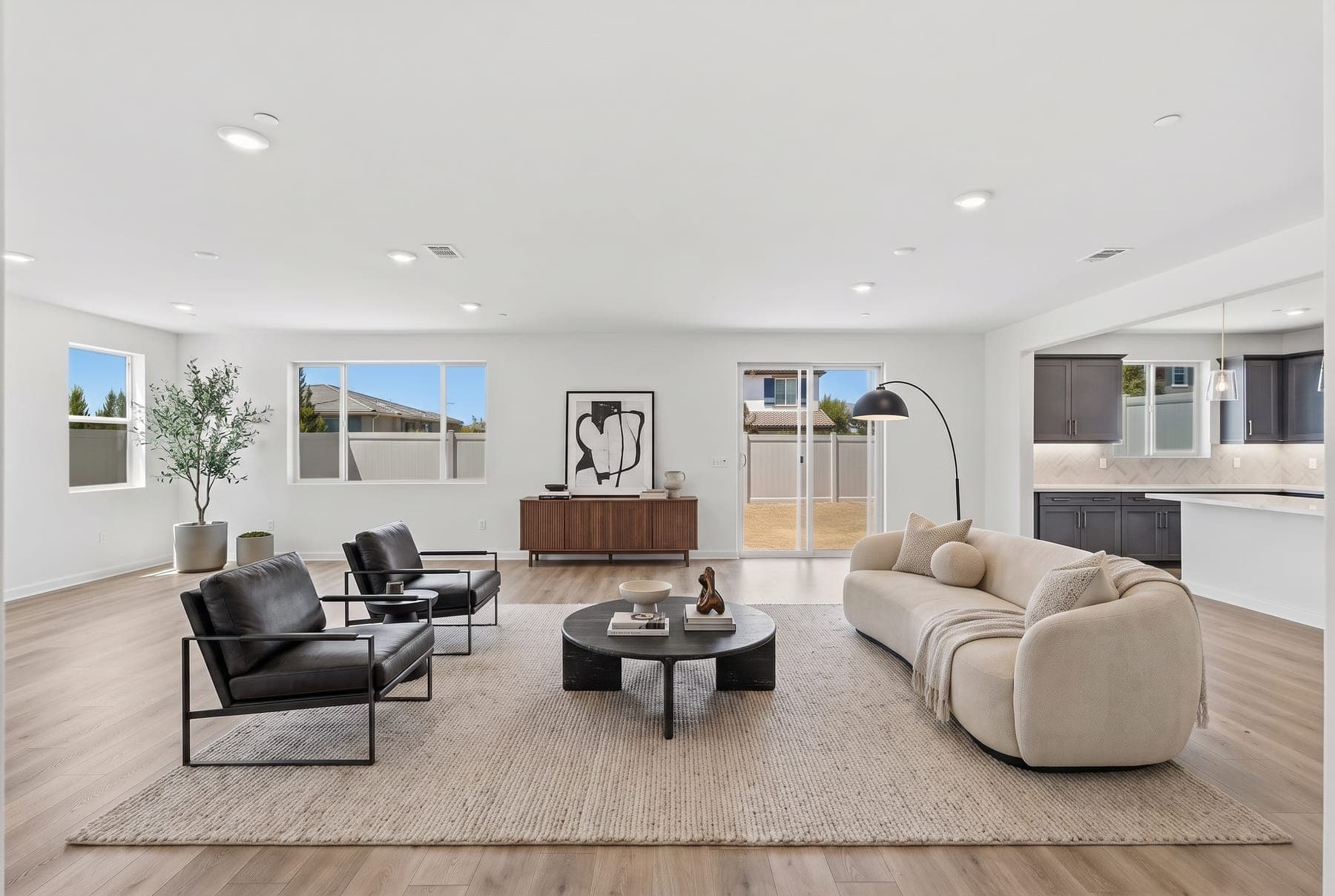 Photo digitally staged
- The law
- § 10140.8Added to the Business & Professions Code by AB 723 (Pellerin).
- In effect
- Jan 1, 2026Signed October 10, 2025. Enforceable across California now.
- Who it binds
- Every agentBrokers, salespeople & anyone acting on their behalf.
- What you owe
- Label + originalA conspicuous “altered” note and a link to the unaltered image.
The mechanic
Two things, on every altered image.
The rule is short and it’s literal. When an image is digitally altered, the advertisement has to carry both of these — wherever the photo appears.
A conspicuous “altered” label
A reasonably conspicuous statement, on or near the image, that it has been digitally altered. Short and plain does the job — “Photo digitally staged,” “Image digitally enhanced.”
A link to the original
A link, URL, or QR code to the original, unaltered image, clearly identified as the original. On a website you control, the unaltered image has to be included in the posting itself.
The line
What triggers disclosure — and what doesn’t.
The test is simple: if an edit could change what a buyer believes is actually there, disclose it. Polishing a true photo is fine.
Disclose these
- Virtual stagingfurniture or décor added to an empty room
- Virtual twilight & sky swapsa daytime exterior turned to dusk; a grey sky made blue
- Landscaping editsgreening a dry lawn, adding pool water, filling a fountain
- Object & clutter removalcars, bins, wires, signage, or clutter erased from frame
- Feature & structure changespaint color, façades, fixtures, or floor-plan tweaks
- Surroundings & overlaysstreetlights, poles, window views, or boundary drop-pins
No disclosure needed
- Lighting & exposure
- White balance & color correction
- Sharpening & noise reduction
- Angle & straightening
- Cropping & framing
- Anything that doesn’t change what’s there
The statute names these as “common photo editing adjustments … that do not change the representation of the real property.”
See the line
Every one of these needs a disclosure.
Drag each slider. These are real Turnkey Media edits — and each one adds, removes, or changes something a buyer would notice. All three are disclosable under AB 723.
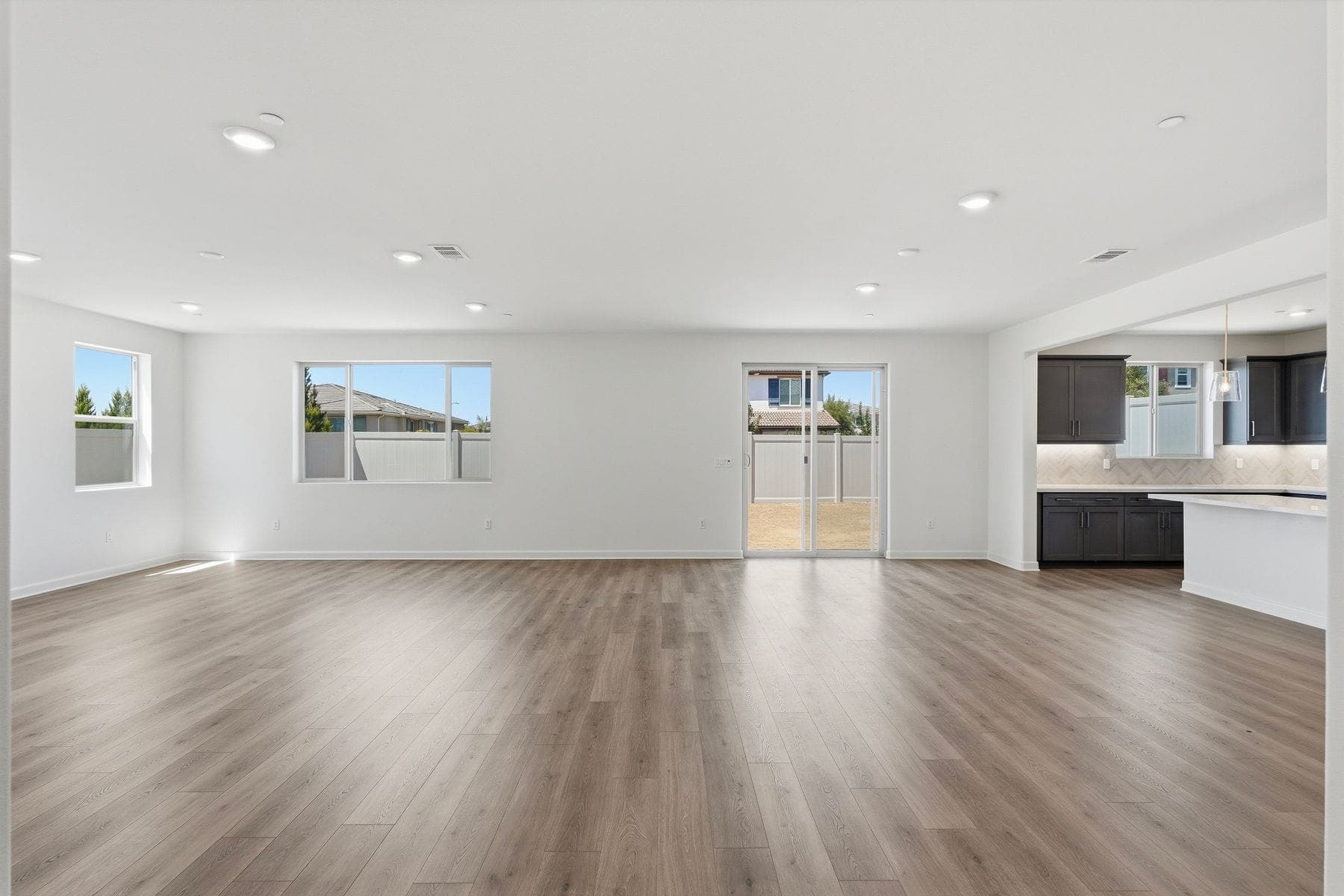
Virtual staging
Discloses as “Photo digitally staged.”
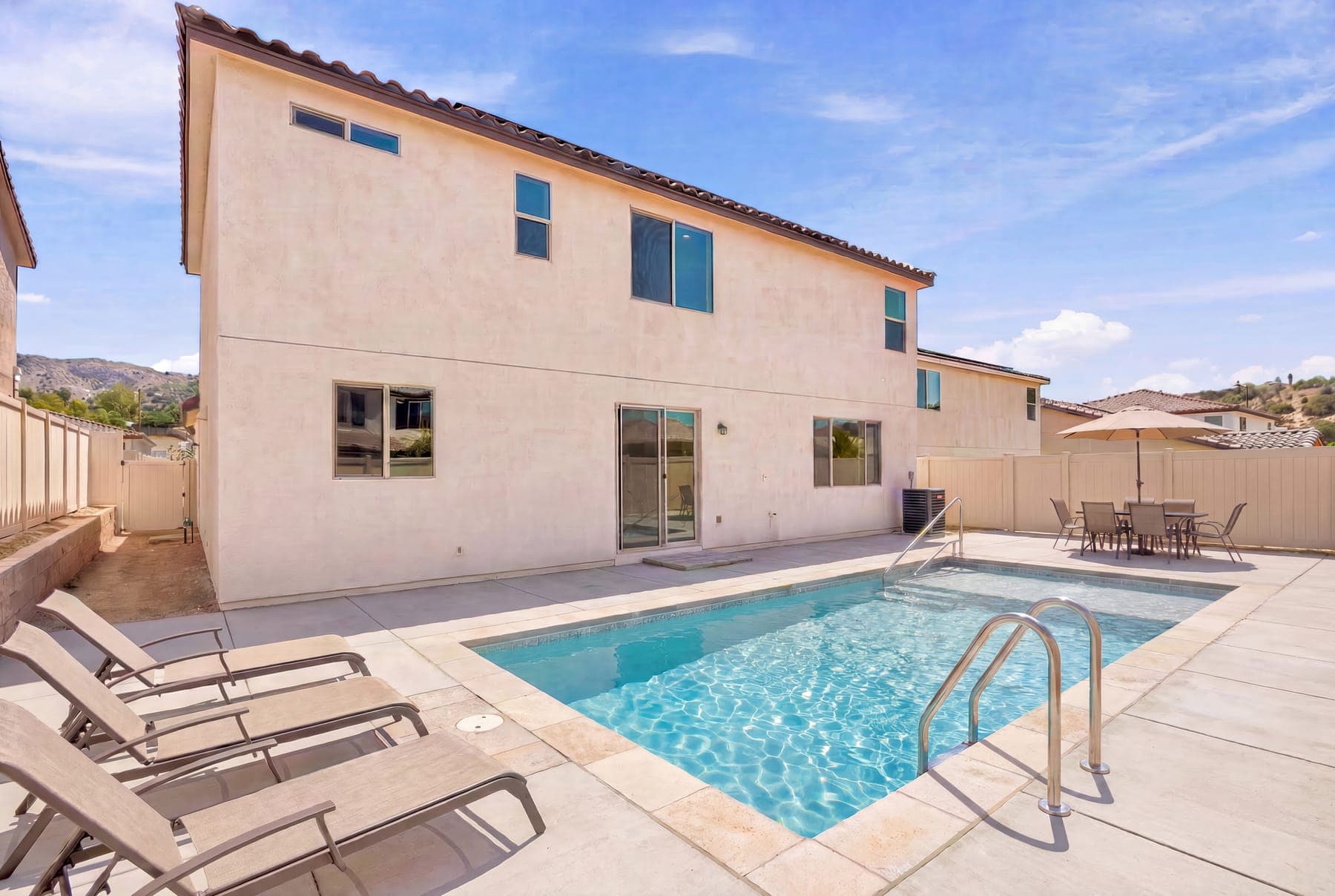
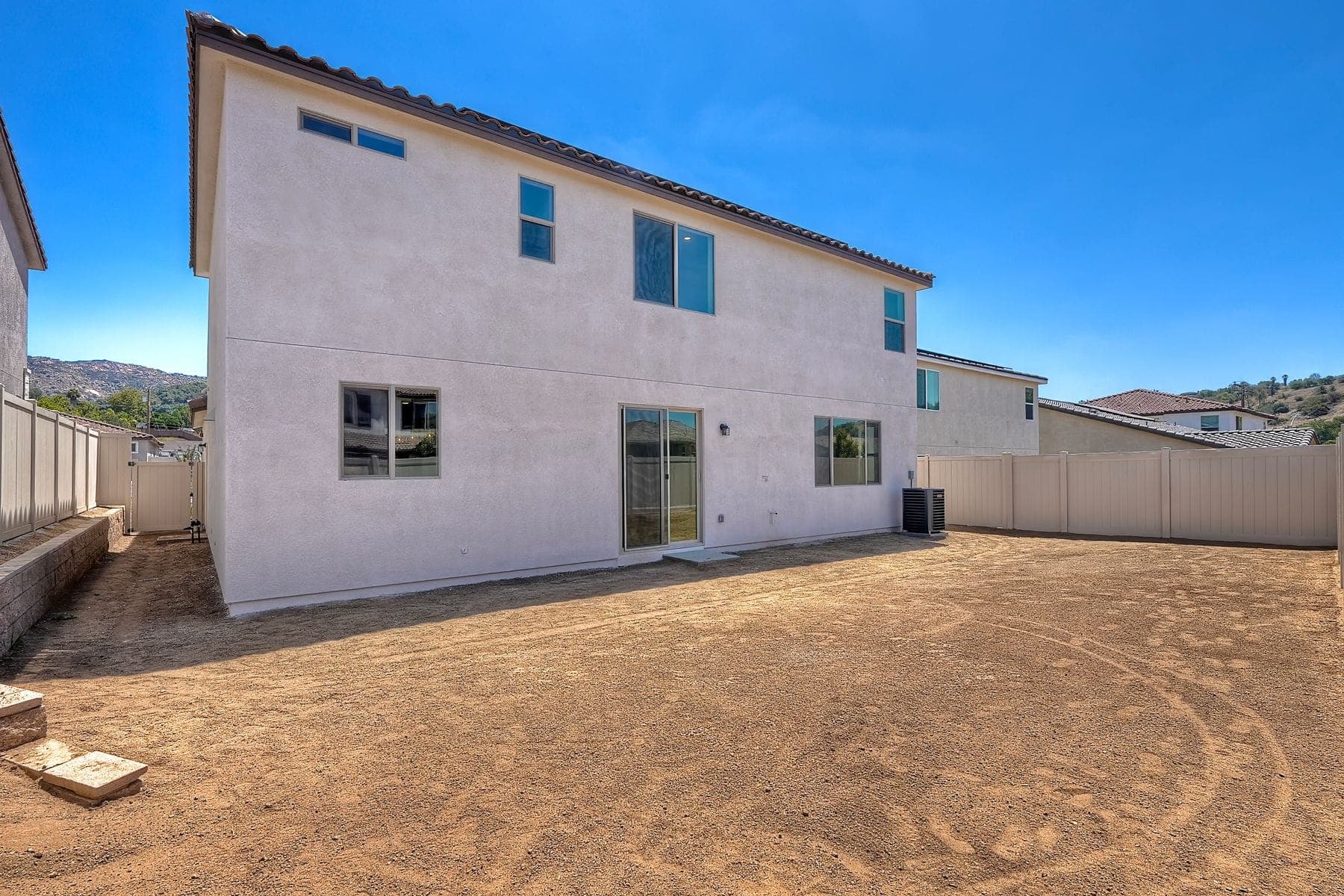
Landscaping / feature added
Discloses as “Digitally altered image.”
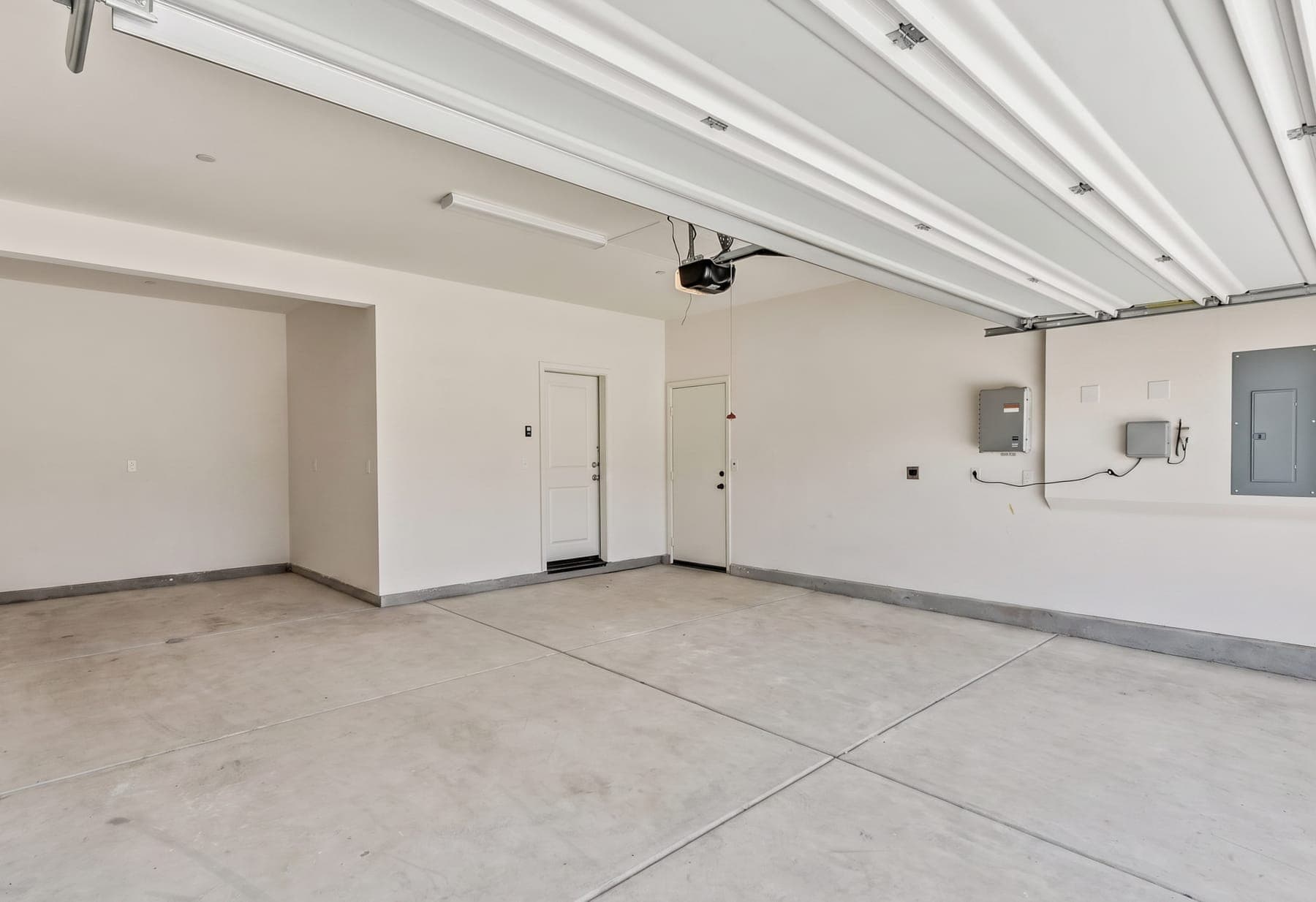
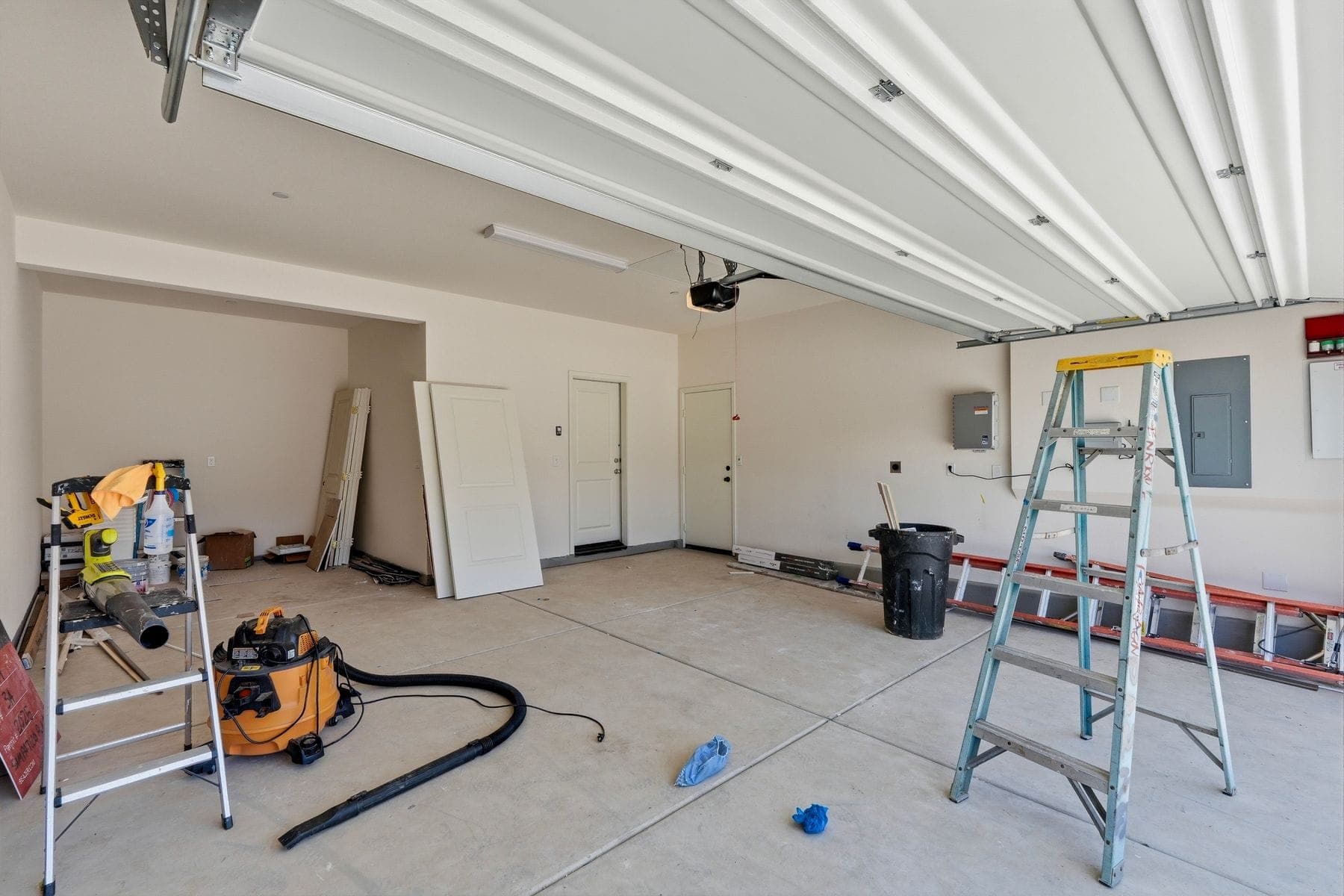
Object removal
Discloses as “Digitally altered image.”
The stakes
Getting it wrong isn’t a slap on the wrist.
AB 723 is enforced through existing Real Estate Law, so a missing label isn’t a formatting nitpick — it’s exposure.
- DRE disciplineRegulatory action against your license — up to suspension or revocation.
- Civil liabilityFor you and your brokerage, if a buyer is misled by an undisclosed edit.
- Misdemeanor exposureA willful violation can be charged as a crime under the Real Estate Law.
The upside
Honest photos are also better marketing.
Disclosure and drama aren’t at odds. A staged room still sells the lifestyle — and pairing it with the original is exactly what earns a buyer’s trust before they ever walk in.
Steal this
Compliant wording, ready to paste.
Drop the right line under any edited photo, then swap [link] for the URL or QR that points to your original. Keep the wording consistent everywhere the image travels.
- Virtual staging
“Photo digitally staged. Original, unaltered image available on request.”
- Virtual twilight / sky
“Image digitally enhanced (virtual twilight). View the original daytime photo: [link]”
- Object / clutter removal
“Digitally altered image. Unaltered original: [URL or QR code]”
- Catch-all, any edit
“This image has been digitally altered. Scan or click to view the original: [link]”
The easy part
We build the disclosure into delivery.
You get the marketing punch of edited imagery and a clean, defensible paper trail — without managing any of it yourself.
Paired originals, every time
Every virtually-staged or digitally-altered image is delivered alongside its unaltered original — so you always have both halves of the disclosure on hand.
Labeled & watermarked at the source
Altered files come tagged so the disclosure travels with the photo — onto the MLS, the portals, social, email, and print, not just one listing field.
Real vs. virtual, never blurred
Golden-hour twilight shot on location is delivered as a true photo. A virtual dusk edit is labeled as an edit. Same for staged versus the empty-room original.
Disclosure-ready to publish
Recommended wording and the original-image pairing are prepared for you, and we can host the originals for your URL or QR link — so meeting your MLS rules is copy-and-paste.
AB 723, answered.
What is California AB 723?
AB 723 adds Section 10140.8 to the California Business & Professions Code. When a real estate broker or salesperson (or anyone acting on their behalf) uses a digitally altered image to advertise a property for sale, they must include a conspicuous statement that the image was altered and provide a link, URL, or QR code to the original, unaltered image. It has been in effect since January 1, 2026.
Does AB 723 apply to virtual staging?
Yes. Virtual staging — digitally adding furniture or décor to an empty room — is a textbook digitally altered image under AB 723. So are virtual twilight, sky replacement, greening a lawn, adding pool water, and removing clutter, wires, or signage. Any edit that adds, removes, or changes an element of the property triggers disclosure.
Do I have to disclose color correction or HDR?
No. The statute specifically exempts lighting, sharpening, white balance, color correction, angle, straightening, cropping, exposure, and other common adjustments that do not change how the property is represented. Routine polishing of a true photo is fine — it is edits that could mislead a buyer about what is actually there that require disclosure.
What happens if I don’t disclose?
AB 723 is enforced through existing Real Estate Law. That means exposure to Department of Real Estate discipline (including license suspension or revocation), civil liability for you and your brokerage, and — for willful violations — misdemeanor charges. When in doubt, disclose.
How do I show the “original” image?
Pair the altered image with a conspicuous label and a link, URL, or QR code that leads to the original, unaltered version and clearly identifies it as the original. On a website you control, the unaltered image must be included in the posting itself. Turnkey Media delivers every altered image alongside its original, so the pairing is ready to publish.
Who is responsible — me or my photographer?
The broker or salesperson is responsible, and so is anyone acting on their behalf. Responsibility follows the advertisement across the MLS, the portals, social, email, and print — not just the MLS submission. Turnkey Media builds the disclosure step into delivery so the compliant version is what lands in your inbox.
Compliant by default
Edited media you can publish with confidence.
Every altered image, paired with its original and ready to disclose. Book a shoot, or send this page to the agent who needs it.
Want the deep dive? Read the full AB 723 guide or our edited-imagery disclosure.
General information, not legal advice. AB 723 and your MLS’s policies evolve and depend on your specific listing. Confirm the exact requirements with your broker, your MLS, and your own counsel. Primary sources: the bill text, SDMLS requirements, and California Business & Professions Code § 10140.8.