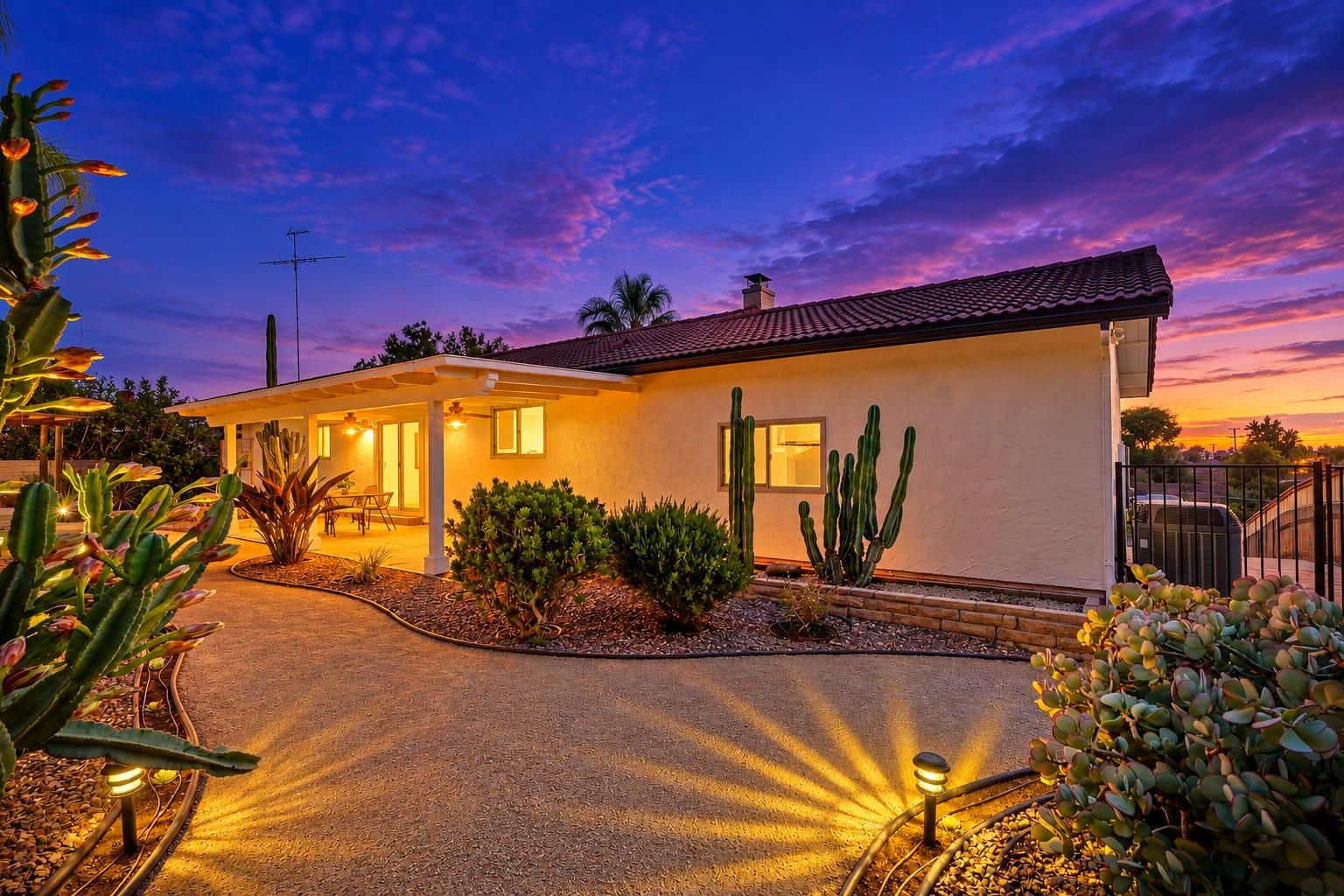
Architectural & Interior Photographer in San Diego: What It Costs and How to Hire One
In San Diego, an editorial interior or architectural shoot is priced by the half day or full day, not by the photo. Published Southern California rate cards run about $1,800–$1,950 for a half day and up to about $2,800 for a full day, compared with roughly $300–$400 for a San Diego listing shoot. Our editorial half day starts at $1,500 and a full day at $2,800, and partners can license the images separately, so you don't carry the whole cost.
November 6, 20268 min read
By Tom Van Vechten · Updated
How much does an architectural or interior photographer cost in San Diego?
Prices vary more in this field than in almost any other kind of photography, because two very different jobs share the same name. Few San Diego County architectural photographers publish their editorial rates, so the table below uses published Southern California rate cards, local listing and twilight rates, and our own prices, so you can place any quote you receive.
Published rate cards from Los Angeles and San Diego County photographers, checked November 2026. For a national view, see the ShootRate architecture pricing guide.
The low end of the market is listing photography with a new label: fast, wide, and bright, covering every room in an hour or two. That is the right tool for selling a house in Escondido or Clairemont. It is the wrong one for showing why you specified a material in a La Jolla remodel, or how a Rancho Santa Fe great room was meant to feel.
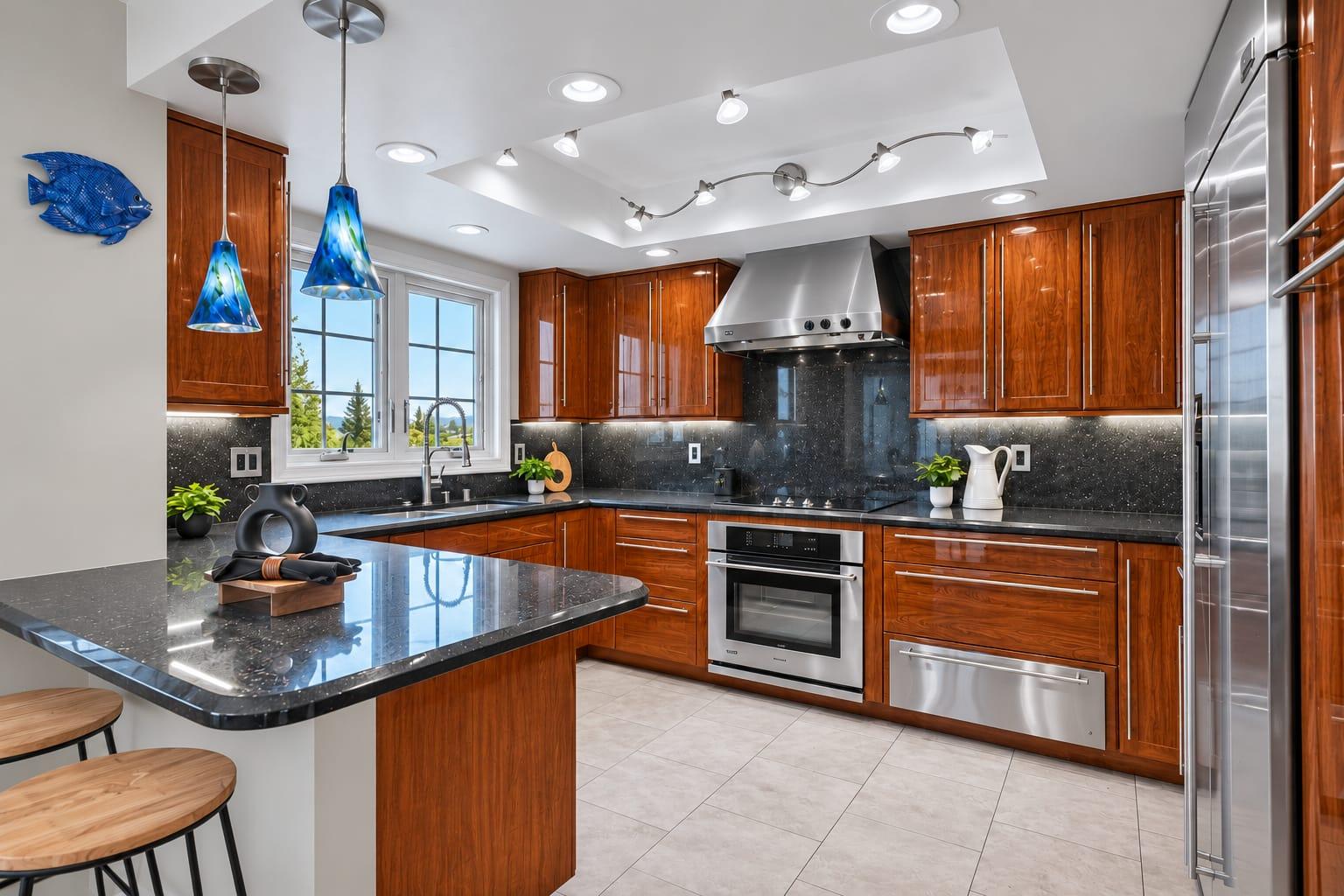
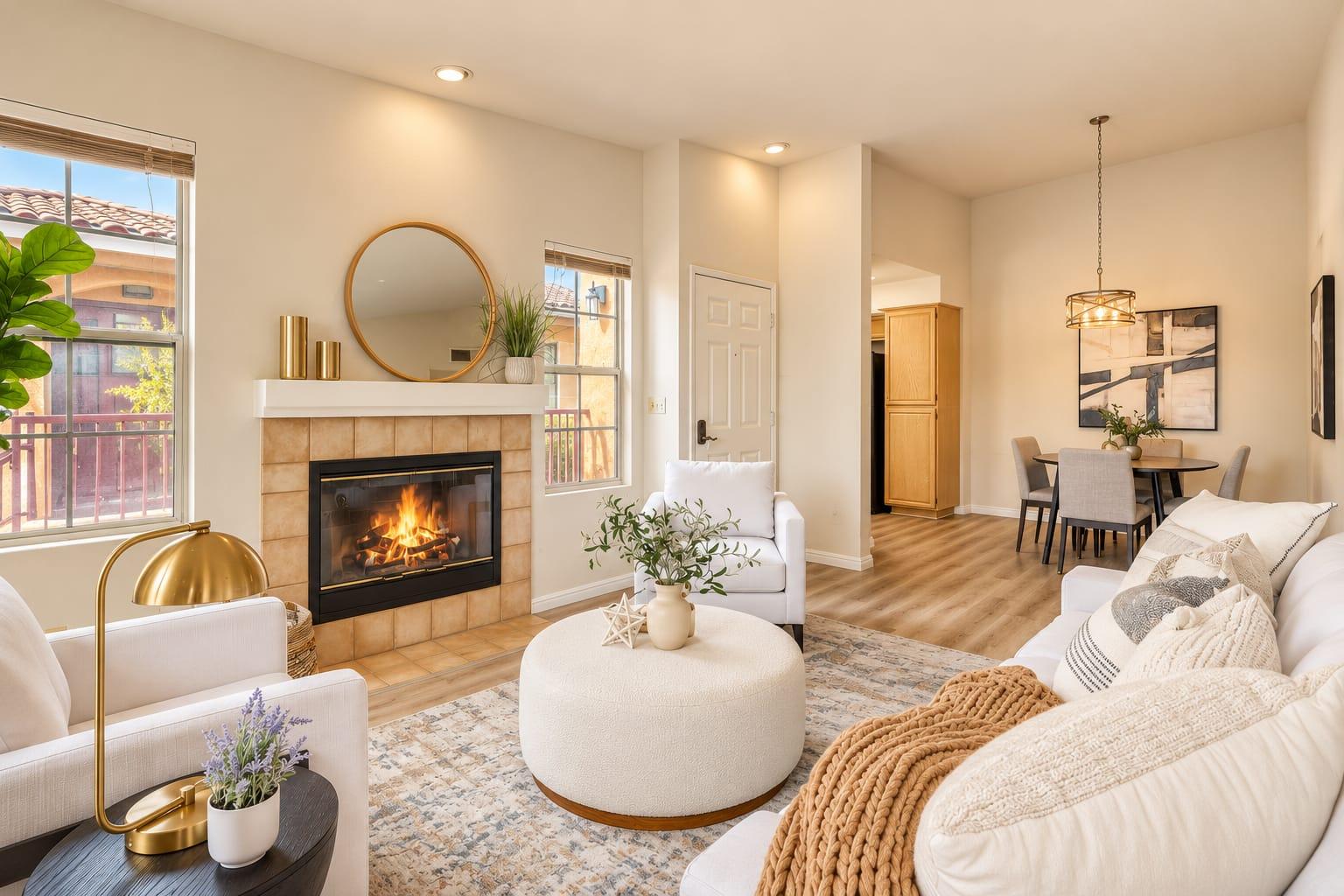
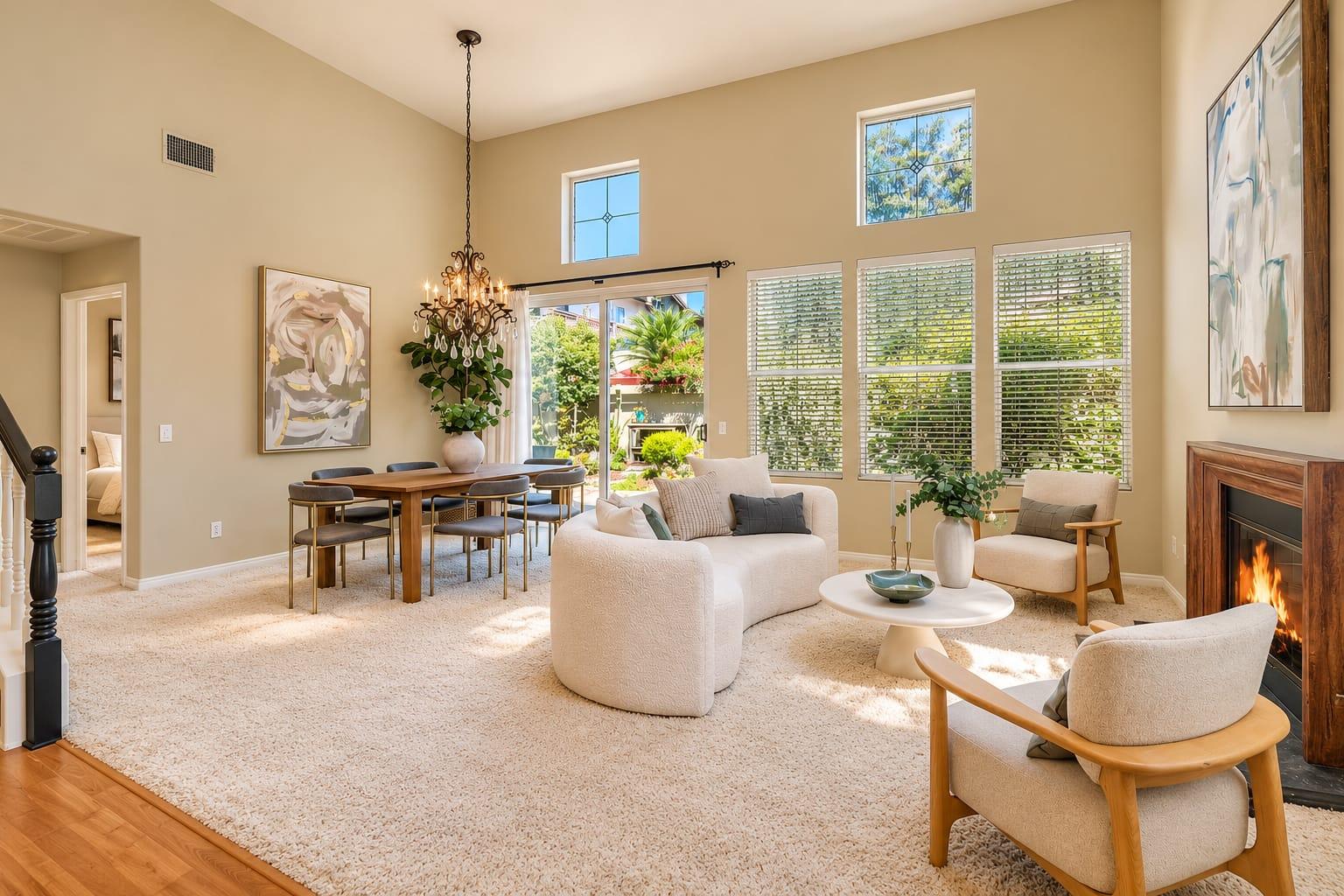
A typical editorial project falls into one of two shapes: a half day focused on one or two finished rooms, or a full day covering a whole house, interiors and exteriors, sometimes ending in twilight. Designers usually use the finished frames on their website, in proposals, in award entries, and in pitches to publications.
Why does editorial photography cost so much more than listing photos?
Because the work per image is completely different. A listing photographer might deliver dozens of frames in a morning. An editorial photographer might spend that morning on a handful.
Composition is built, not found. Furniture is shifted an inch at a time to make a line read, and props are added or removed frame by frame.
Light is shaped. Rooms are shot when the light suits them, often with several exposures blended for each frame so materials and windows both hold.
Details get their own frames. Joinery, hardware, and material transitions are shot close as detail frames, not left to a wide shot.
You choose the selects. You review proofs, then only the chosen frames are fully finished.
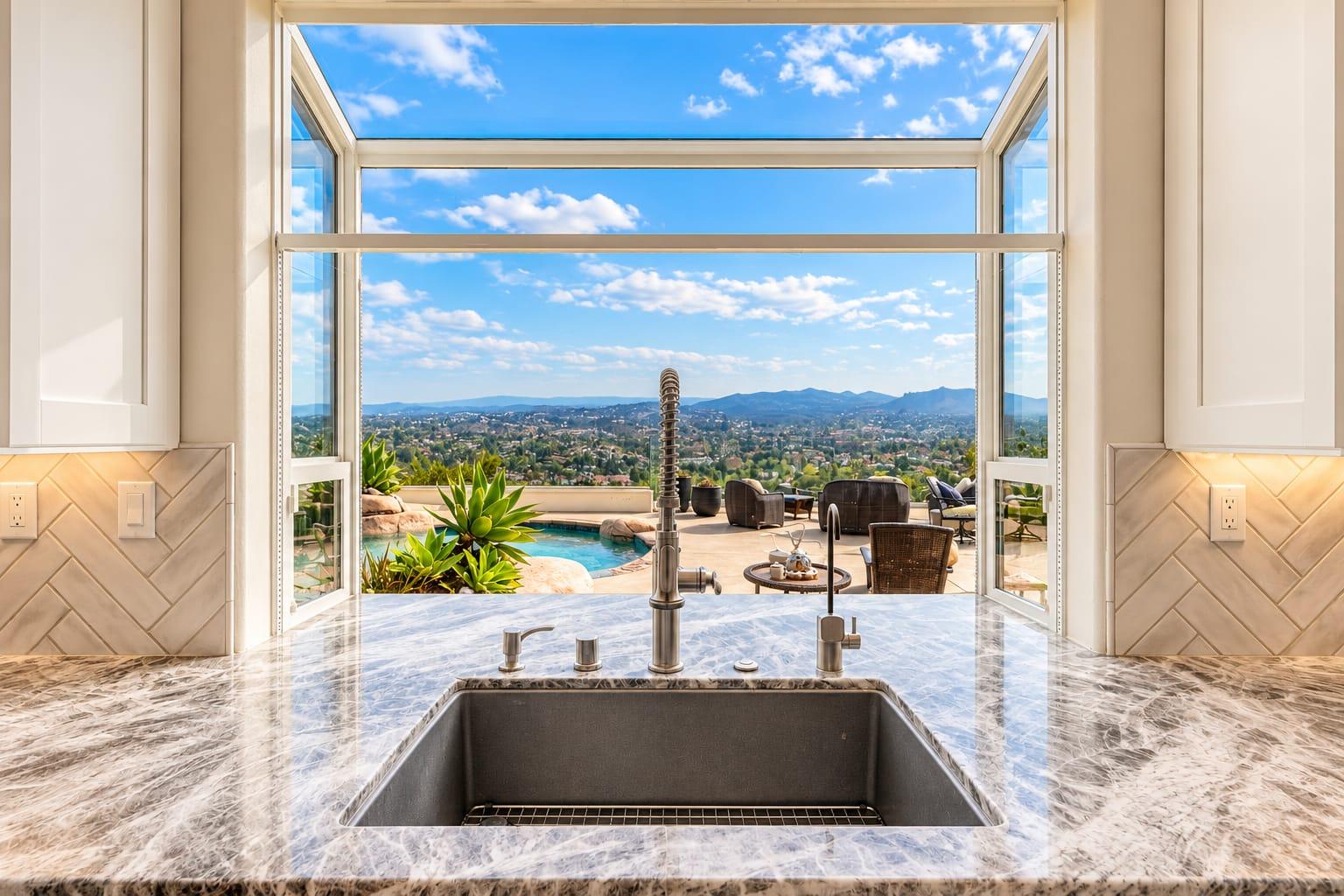
A detail frame: composed and styled on its own instead of cropped from a wide shot.
The result is fewer images that each do more work: a portfolio cover, a publication submission, an award entry.
What drives the price of an interior or architectural shoot?
Time on site
Most of the price is time. A single kitchen and great room can fit in a half day. A whole house, or interiors plus exteriors, usually needs a full day.
The light you need
Exteriors have one or two good windows a day, depending on which way the building faces. A twilight exterior means staying on site until dusk, which is why dusk sessions are usually booked and priced separately. Along the coast, from Coronado to Del Mar and Encinitas, the May Gray and June Gloom marine layer can flatten morning light, so exterior work is often planned for the afternoon. Inland, in Poway, Escondido, or the Fallbrook hills, the light is clearer earlier but harsher by midday.
Styling
If the photographer is also styling, or a stylist is on set, the day is longer and costs more. Many designers style their own projects, which is ideal: nobody knows the intent better.
How the images will be used
Usage is part of the price. A license for your portfolio and website costs less than one that also covers paid advertising, a developer's sales center, or a manufacturer's catalog. Tell the photographer every use you expect up front.
Retouching
Ask whether retouching is included or billed by the hour. Removing an outlet, a sprinkler head, or a neighbor's roofline takes time, and hourly post-production adds up fast.
Who owns the photos, and can you split the cost with the builder or architect?
In editorial photography the photographer normally keeps the copyright and grants you a license to use the images. That's standard, and it's what makes cost-sharing possible: the same images can be licensed to everyone who worked on the project.
A common structure is a base fee for the lead client, plus a charge for each additional party, all sharing the images from one shoot. One Southern California studio publishes its rate for an added party at 25% of the original fee. On a typical San Diego project, the architect, builder, landscape designer, and cabinet maker each pay for their own license, and the shoot costs each of them less than it would alone.
We work the same way. You receive a portfolio license, and project partners can license the same images for a fee quoted per licensee. Our guide on who owns listing photos explains how photo licensing works in more depth.
Before the shoot, agree in writing who is licensing the images and for what. Sharing images with a partner who has not licensed them is a copyright problem for you, not just for them.
What should you ask before hiring an architectural photographer?
Start with the portfolio, then use these questions to compare quotes on equal terms.
Can I see full projects you have shot, not just your best single frames?
Is the price for a half day, a full day, or a set number of images?
How many finished images should I expect from that time?
Do I choose the selects from proofs?
Is retouching included, and what counts as extra?
Who styles the space on the day?
What does my license cover, and for how long?
Can my builder, architect, or vendors license the images, and at what price?
Will you plan exteriors around the light, and is twilight possible?
What file sizes and formats will I get for print and publication?
What happens if the weather turns or the space isn't ready?
Are you insured to work on a client's property?
A photographer who answers these clearly, in writing, is usually one who will run a calm shoot day. Vague answers about licensing are the most common source of trouble later.
How should you prepare for an editorial shoot?
Finish the punch list. Missing hardware or an unpainted patch shows in a close frame.
Book it before move-in, or plan with the homeowner. After install day a room is rarely styled that way again.
Write a shot list by priority. Agree the must-have frames first, so the hero shots are done while the light is right.
Bring the styling. Florals, books, textiles, and anything that finishes the story.
Share the intent. Tell the photographer what the project is about. It changes which frames get made.
The thing that most improves an editorial shoot day is preparation: a shot list agreed in advance, the space fully styled before the photographer arrives, and the homeowner's schedule confirmed. The thing that most often costs time is styling that wasn't finished, which eats into the shooting window.
How much does an interior design photographer cost in San Diego?
It depends on whether you need listing-style coverage or editorial work. A San Diego listing shoot runs roughly $300–$400. Editorial photography is priced by the half or full day, with published Southern California rates of about $1,800–$1,950 for a half day. Ours starts at $1,500 for a half day and $2,800 for a full day.
Do you photograph projects outside the city of San Diego?
Yes. We shoot across San Diego County, including La Jolla, Del Mar, Rancho Santa Fe, Coronado, Carlsbad, Encinitas, and inland North County.
Is a half day enough?
For one or two finished rooms, often yes. For a whole house, or interiors plus exteriors and twilight, plan a full day.
Do architectural photographers charge per image?
Some do, especially for retouching. Most editorial work is priced by time, with the number of finished images agreed in advance.
Can the builder or architect use my photos?
Yes, with their own license. Shared licensing lets each partner pay for their use, which lowers what you pay for the shoot.
Who owns the copyright?
In editorial photography the photographer usually keeps the copyright and grants you a license. Check that the license covers every way you plan to use the images.
Planning a shoot
Tell us about the project and how you plan to use the images. We reply with a scoped quote.