In this guide
- Why professional photography is the highest-ROI marketing spend
- What makes a great real estate photo
- How to prepare your listing for a photo shoot
- Understanding HDR photography and why it matters
- The full-service approach: photography + drone + 3D
- Twilight photography: when and why
- Virtual staging for vacant properties
- How to brief your photographer
- What to do with your photos after delivery
1. Why professional photography is the highest-ROI marketing spend
The vast majority of buyers begin their home search online — the National Association of Realtors' Profile of Home Buyers & Sellers has consistently found that the large majority of buyers start on the web, and that photos are the feature they value most. The first thing they evaluate is the photography — before they read the description, check the price, or look up the school ratings. In San Diego's competitive market, where median home prices exceed $800,000 in most submarkets, the listing photos determine whether a buyer schedules a showing or scrolls to the next listing.
Research from sources like Redfin and VHT Studios consistently points the same direction: professionally photographed homes tend to sell faster, and can sell for more, than those with amateur photos. Even a modest lift on a $1 million home runs into the tens of thousands of dollars. Against a photography investment of $185 to $285, the return potential is substantial.
For agents, the math is even more compelling: faster sales mean more transactions per year, and higher sale prices mean higher commissions — both while building the reputation that brings referrals. Professional photography isn't a cost; it's the fastest path to a better business.
2. What makes a great real estate photo
The best real estate photos do three things simultaneously: they accurately represent the space, they make it look its most appealing, and they convey a lifestyle. Understanding the elements that make this work helps you evaluate photographer quality and brief them effectively.
Exposure and dynamic range
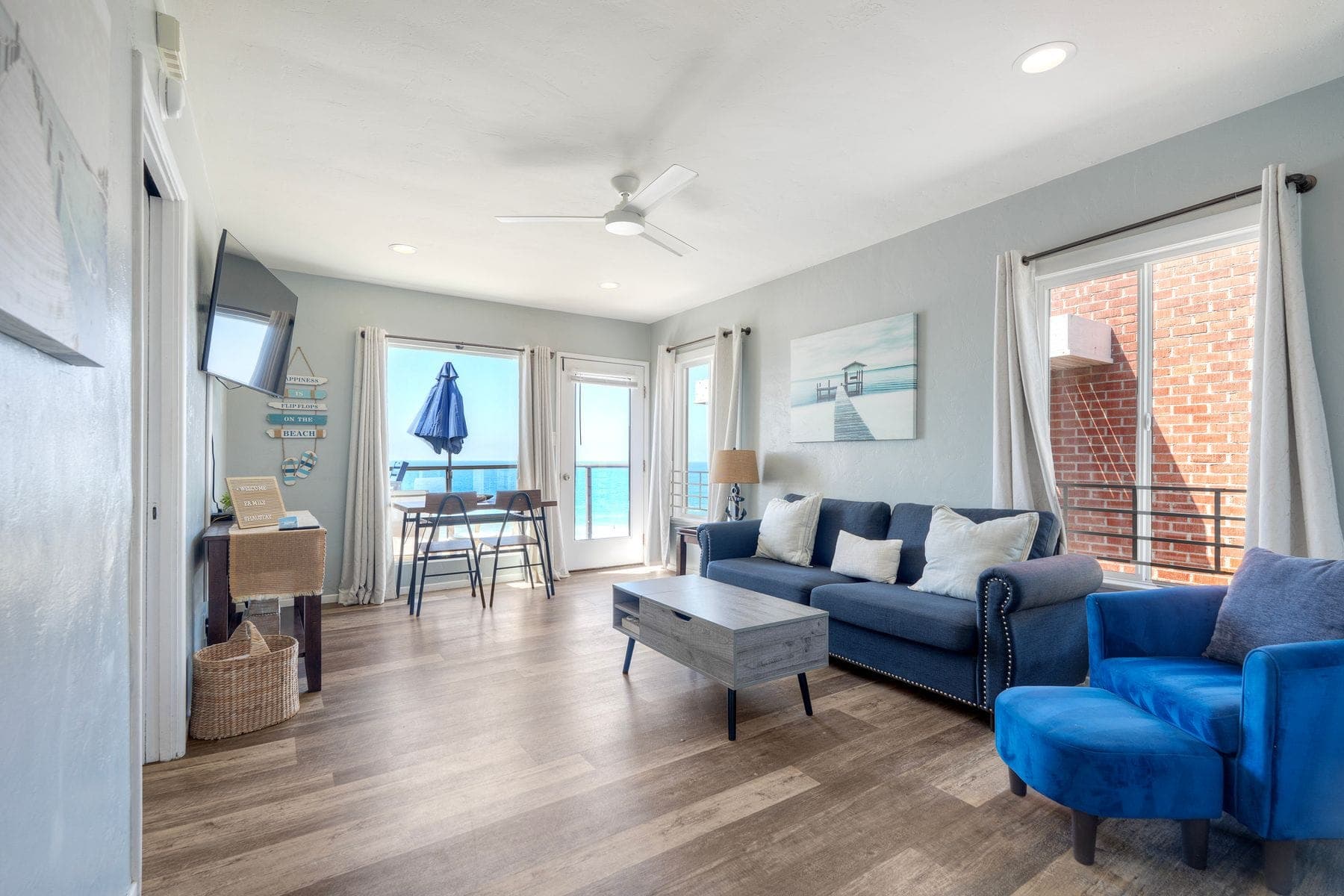
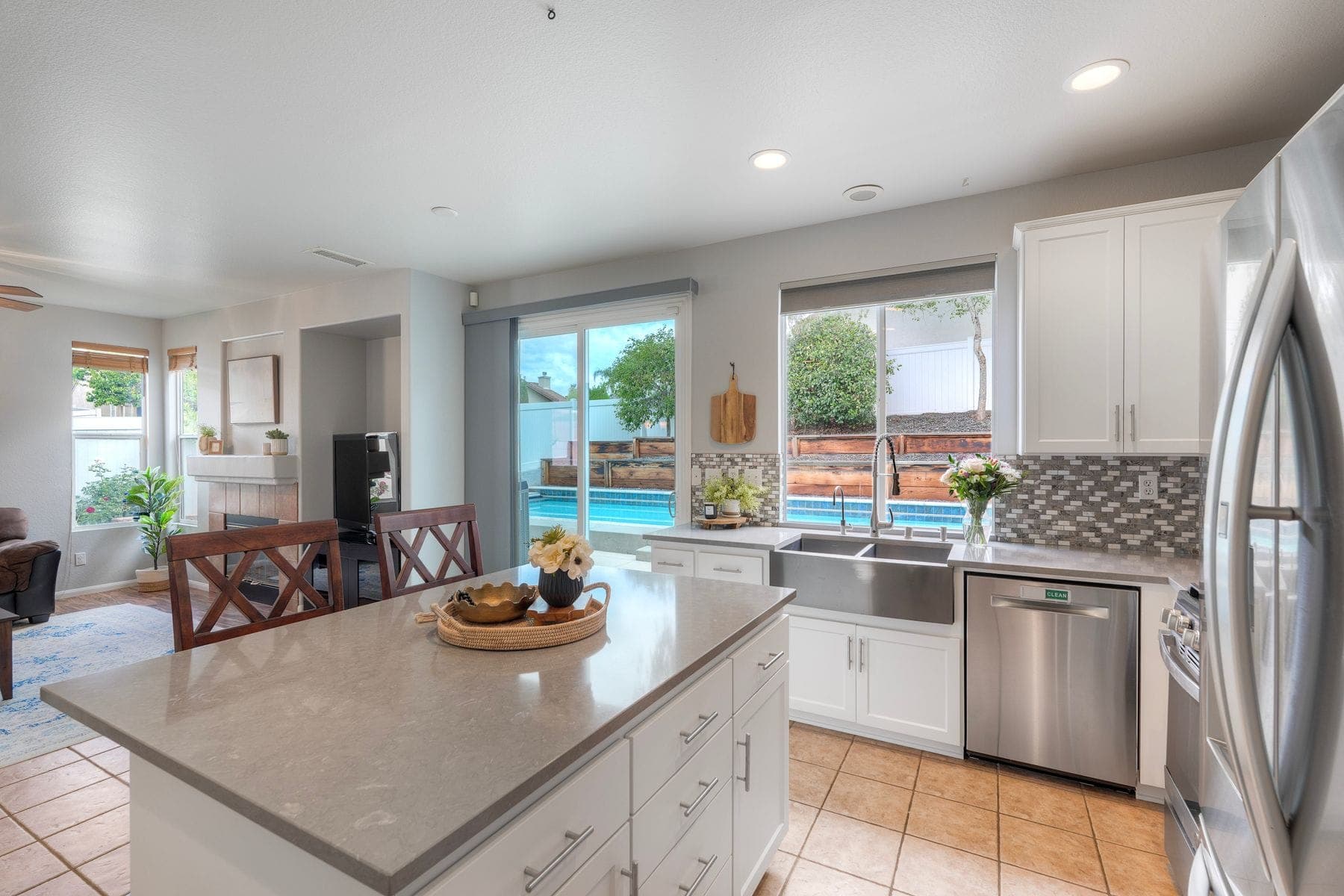
The biggest technical challenge in real estate photography is dynamic range — the contrast between bright window light and shadowed interior spaces. A camera cannot capture this range in a single exposure the way the human eye can. Professional photographers use HDR (High Dynamic Range) techniques: capturing 3 to 7 exposures of each scene and blending them in post-processing. The result shows window views without blown-out white, and room interiors without muddy shadows.
Composition and perspective
Professional real estate cameras use wide-angle lenses (typically 16–24mm) mounted on tripods at specific heights — usually around 5 feet — to give rooms their most flattering proportions. The composition is calculated to show as much of a room as possible while maintaining natural perspective lines. Common amateur mistakes include shooting from too low (makes ceilings look low), too high (makes rooms look like floor plans), or with a fisheye lens (creates distortion that makes rooms look artificial).
Color grading and editing
Post-processing separates professional real estate photography from consumer-grade work. Professional editing includes: sky replacement or enhancement for exterior shots, color correction to ensure accurate wall colors and countertop materials, vertical and horizontal lens correction, removal of minor distractions (a stray cable, a reflection in a mirror), and consistent warm-neutral grading across all images. The goal is photos that are beautiful but believable — not over-processed to the point where buyers feel deceived when they walk in.
3. How to prepare your listing for a photo shoot
Preparation is the single factor most within your control that affects photo quality. A well-prepared home can meaningfully increase the perceived value of the photography. Here is the complete preparation checklist.
Interior preparation
- Declutter all surfaces. Kitchen counters, bathroom vanities, coffee tables. Everything that isn't furniture or intentional décor should be removed.
- Remove personal photos and highly personal items. Buyers need to envision themselves in the home, not meet your family.
- Replace every burned-out light bulb. Check all ceiling fixtures, lamps, and under-cabinet lighting. Ensure bulbs are consistent color temperature (warm white, 2700–3000K).
- Open all window treatments. Maximum natural light is almost always better. Sheer curtains can remain; heavy drapes should be pulled back.
- Turn on all interior lights. Including lamps. Do not rely only on overhead fixtures.
- Make all beds with fresh, clean linens. Hotel-style making — taut, symmetric, with pillows arranged.
- Remove all pets, pet food, litter boxes, and pet bedding.
- Clean all glass surfaces and mirrors. Streaks on windows and mirrors are highly visible in photography.
- Clear all toilet seats down, towels straightened.
Exterior preparation
- Remove all vehicles from the driveway and street in front of the home.
- Mow and edge the lawn. Ideally done the day before the shoot.
- Clear away hoses, garden equipment, children's toys.
- Sweep driveways, patios, and walkways.
- Clean the pool if applicable. Ensure pool water is clear, not green or cloudy.
- Put out patio furniture, set it as if expecting guests.
4. The full-service approach: Photography + Drone + 3D
Individual services are effective. Combined, they're transformative. The agents who consistently get multiple offers and above-asking sales in San Diego aren't using photography alone — they're using a complete media package that meets buyers where they are across every channel.
Photography + Drone
Drone aerial photography adds context that ground-level photos cannot provide: neighborhood proximity, lot size, outdoor space relationships, and the “look how close we are to the ocean / mountains / golf course” shot. In San Diego, where location is a primary value driver in most submarkets, drone footage is often the most important single asset in the media package.
Photography + 3D Tour
The iGUIDE 3D virtual tour has become the standard for luxury listings and any property targeting out-of-area or international buyers. San Diego attracts significant buyer interest from Los Angeles, the Bay Area, and out-of-state relocations — buyers who cannot easily schedule a physical showing before making a decision. A 3D tour allows them to walk through the property at their own pace, from anywhere in the world, at any time. Zillow and other listing platforms have reported that listings with 3D tours and video consistently drive more views, saves, and shares than listings without them.
The complete package
For properties above $750,000 in San Diego — which is most of the market — the ROI on a complete media package (photography + drone + 3D tour + video) is essentially unlimited. The cost difference between a basic photo package and a complete media package is typically $400 to $700. On a $1 million listing at 2.5% commission, that's 1.6% to 2.8% of your commission — for media that has been proven to drive higher sale prices and faster sales.
5. Twilight photography: when and why
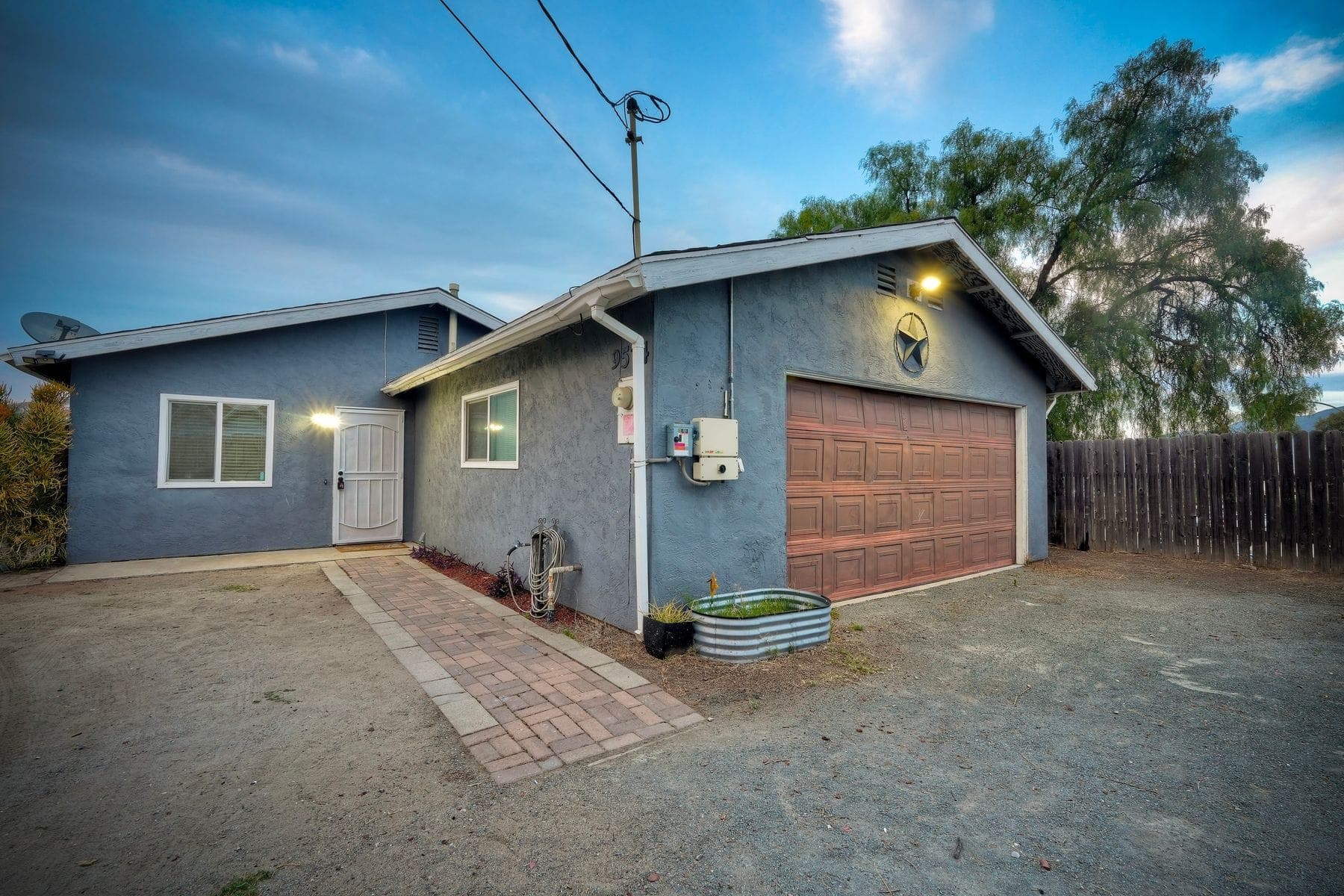
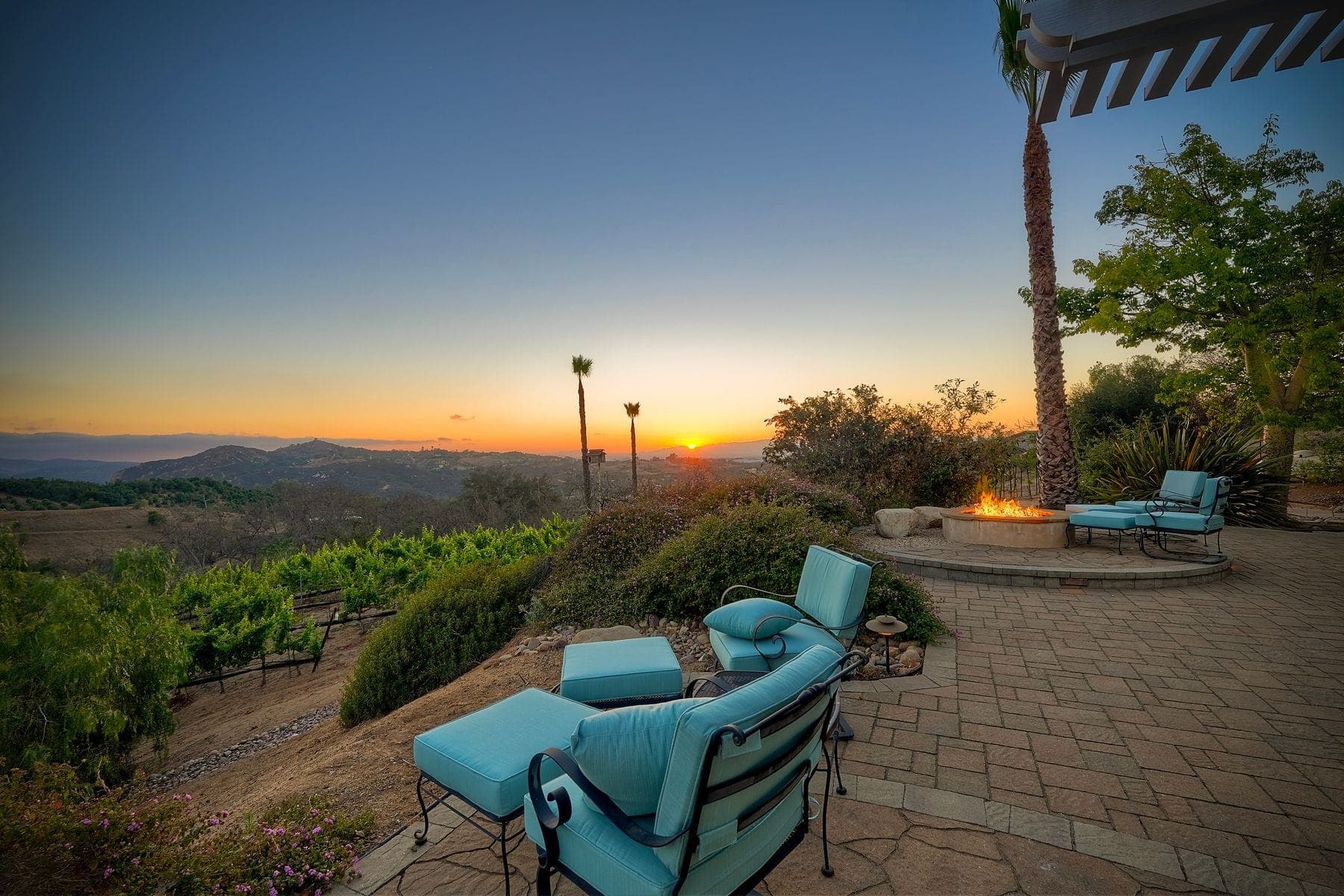
Twilight exterior photography — shot during the 20 to 40 minutes after sunset known as blue hour — is consistently the most-engaged listing image type across Zillow, Redfin, Instagram, and email marketing. The combination of warm interior light glowing through windows against a rich blue-to-purple sky creates a lifestyle impression that no daytime photo can match.
Twilight shots are especially valuable for: properties with exterior lighting (landscape lighting, pool lighting, architectural uplighting), homes with prominent window walls or open-plan spaces where interior glow reads beautifully, and any listing where curb appeal is a primary value driver.
The timing of blue hour is precise — it lasts 20 minutes at most — which is why booking twilight shoots requires advance planning. At Turnkey Media, twilight sessions are available as an add-on to any photography package or as a standalone booking. We time the shoot to the specific sunset for your property location and date.
6. Virtual staging for vacant properties
Empty rooms are the hardest real estate photography challenge. Buyers have difficulty visualizing scale, flow, and livability in unfurnished spaces — and empty rooms consistently receive lower engagement metrics than furnished ones. For vacant properties, virtual staging is the solution.
Virtual staging uses 3D rendering to digitally place furniture, rugs, artwork, and décor into photographs of empty rooms. The result is photorealistic images that show how the space could look furnished — without the cost of physical staging (which typically runs $1,500 to $5,000 for a full home) and without the hassle of coordinating delivery and removal.
At Turnkey Media, virtual staging is priced per photo — $35 each for the first 5, then $25 per photo after that. Staging the hero shots of a vacant home runs a few hundred dollars — versus $2,000 to $5,000 for physical staging. The ROI on virtual staging for a vacant home is almost always strongly positive.
Quick answers
- How should I prepare a listing for a photo shoot?
- Preparation is the single factor most within your control that affects photo quality. A well-prepared home can meaningfully increase the perceived value of the photography.
- When is twilight real estate photography shot?
- Twilight exterior photography — shot during the 20 to 40 minutes after sunset known as blue hour — is consistently the most-engaged listing image type across Zillow, Redfin, Instagram, and email marketing.
- Is virtual staging worth it for a vacant home?
- The ROI on virtual staging for a vacant home is almost always strongly positive.
Ready to book
Put it into practice.
Book your next San Diego listing shoot in under 5 minutes. Delivered in 24 hours.