How Do I Get Seller Leads? Sources That Work, and How to Convert Them
Seller leads come from six places: past clients and referrals, a geographic farm, open houses, your own content, expired and for-sale-by-owner listings, and paid advertising. The first three cost the least and convert the best. Whatever the source, most seller leads are months from listing, so the agents who win them are the ones who follow up usefully until the homeowner is ready.
October 3, 20267 min read
By Tom Van Vechten · Updated
What counts as a seller lead?
A seller lead is a homeowner who might sell and who has given you a way to contact them. That covers a wide range. A past client who mentions a job change is a lead. So is a stranger who asked for a home value on your website.
The useful distinction is timing. A few are ready now. Most are six to eighteen months out and gathering information. Getting leads is the easy half. Staying in touch for a year without being a nuisance is the half that produces listings.
For how to build the wider habit of earning listings, see how to get more listings. This guide is about sources and conversion.
How do the main sources compare?
Source
Cost
Effort
What to know
Past clients and referrals
Low
Steady
The source most sellers use to find an agent
Geographic farm
Moderate
High, for months
Slow to start, durable once established
Open houses
Low
Weekends
Neighbors visit. Many are future sellers
Your own content
Low
Weekly
Works on people who already know of you
Expired listings and FSBOs
Low
High
They want to sell, and many agents are calling
Paid ads and lead services
High
Follow-up heavy
Volume without trust. Conversion depends on your system
The first row is backed by data. In the National Association of REALTORS® 2025 Profile of Home Buyers and Sellers, 66% of sellers found their agent through a referral or used one they had worked with before. Start there before you pay for anything.
What can I offer a homeowner who isn’t ready yet?
People give you their contact details in exchange for something useful. The best offers answer a question the homeowner already has.
A home value review. A real one, by you, with comparable sales. Not an automated estimate.
A pre-listing walkthrough. Twenty minutes on what to fix and what to leave alone before selling.
A neighborhood sales report. What sold on their streets this quarter, with sourced numbers. See our market update for agents for where to get them.
A seller preparation checklist. Our room-by-room checklist is written for sellers and prints cleanly.
A sample of your marketing. A finished listing, so they can see what theirs would look like. Our media kit has samples you can send.
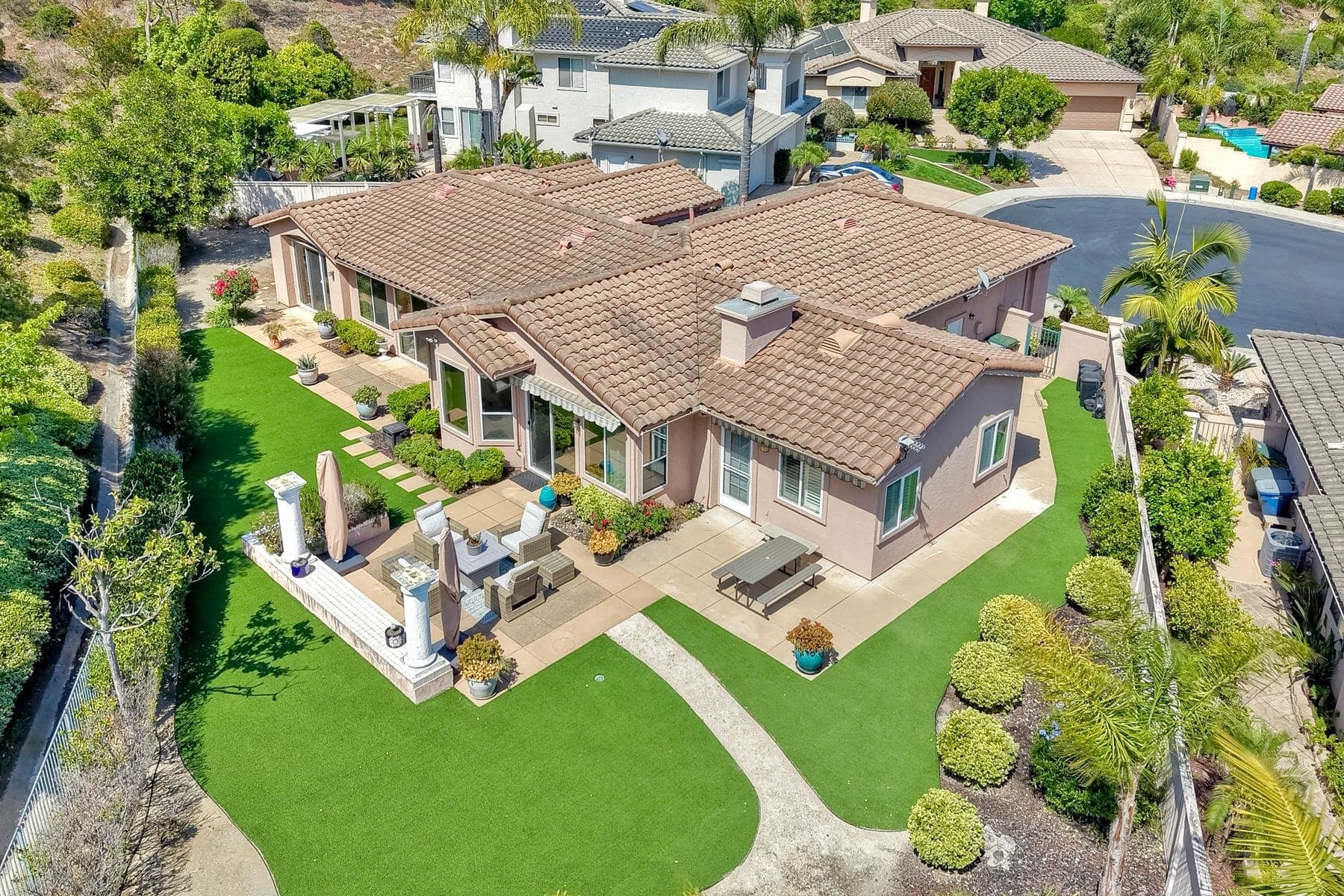
From an Oceanside shoot. A finished listing is a better lead magnet than a brochure about you.
How should I approach expired listings and FSBOs?
These owners have already decided to sell, which makes them the warmest leads you can find without a referral. They are also contacted by many agents in the first days.
What sets you apart is having something specific to say. Look at the old listing before you call. Were the photos dark or taken on a phone? Was there a floor plan? Was the first photo the best one? Our good vs. bad listing photos check gives you a fair way to assess it.
Then be careful how you say it. Don't promise that new photos will sell the home. Price and condition are usually part of the story. Say what you would do differently and show an example.
Follow the rules on contact. Do-not-call lists, your MLS's rules on expired listings, and your broker's policies all apply. Ask your broker before you start.
Are paid seller leads worth it?
They can be, for agents with a follow-up system and the patience to use it. Paid leads are strangers. They don't know you, they may have filled in a form to get a number, and several agents may have the same lead.
Decide what you can spend for six months without a return
Respond within minutes. Speed matters most with paid leads
Have a follow-up plan that runs for a year, not a week
Track cost per appointment, not cost per lead
Follow fair housing rules and the ad platform’s housing category restrictions
If you don't yet call your past clients regularly, do that first. It is free, and it converts better.
How do I follow up without being a pest?
When
What to send
Same day
What they asked for, and one question about their timing
One week
Something useful: a sale on their street, a prep tip
Monthly
A short market note for their neighborhood
Quarterly
An updated value range, or an offer to walk the home
When something changes
A nearby sale, a change in rates, a new listing that competes with theirs
Every message should be worth opening on its own. "Just checking in" isn't. Keep notes on what each person told you, and refer to it.
Get consent for email and text, honor opt-outs, and follow your broker's policies on contact.
How do I turn a lead into a listing appointment?
Ask for a small step. "Can I come by for twenty minutes and tell you what I would do before selling?" is easier to say yes to than "Are you ready to list?"
Past clients and referrals. NAR’s 2025 profile reports that 66% of sellers found their agent through a referral or had used them before.
How do I get seller leads for free?
Contact your sphere on a schedule, hold open houses, work one farm area, and post useful local content. All cost time more than money.
Are expired listings good leads?
They are motivated, and many agents contact them. Come with a specific observation about the old listing and an example of what you would do, and follow contact rules.
How long does it take a seller lead to convert?
Often six months to more than a year. Plan your follow-up for that length of time.
What should I send a seller lead first?
Exactly what they asked for, the same day, plus one question about their timing.
For your next listing appointment
Get the free listing appointment media kit: samples and a one-page marketing plan to show sellers.