Probate and Trust Sale Listing Photography in San Diego: A Guide for Agents and Executors
Probate and trust sales often involve homes that are full of a lifetime of belongings, dated, and sold as-is, so the photos have to present the home honestly while still showing its potential. The best approach is to photograph after the estate cleanout, show the layout, light, lot, and location clearly, and use labeled virtual staging for key rooms if the home is empty. San Diego agents typically spend about $300–$400 on a professional listing shoot, and ours runs $225–$395 by home size.
November 7, 20267 min read
By Tom Van Vechten · Updated
What makes probate and trust sale photography different?
An estate sale home is rarely ready for photos in the usual sense. It may still hold decades of furniture and personal items, and the family may be grieving. The home is often sold as-is, with dated kitchens and baths, and the buyers are a mix of families and investors looking for value. The photos have to work for both: honest about condition, clear about potential.
Timelines vary too. Some sales need court confirmation, and executors, trustees, and attorneys may all be involved in decisions about the listing.
Should you photograph before or after the estate cleanout?
After, almost always. Rooms full of belongings hide the floor plan and make the home look smaller and darker. Once the estate sale and cleanout are done, the rooms read clearly, and buyers can see the bones. If the listing must go up before the cleanout, photograph the exterior, the lot, and the clearest rooms, and add the rest later.
On estate listings, photographing after the cleanout usually changes how buyers see the home: rooms read larger, and the condition is easier to judge, which helps investors and owner-occupants alike.
What should probate listing photos show?
The layout: every main room from its best corner, so buyers understand the flow.
Light: open every blind and turn on every light. Dated homes look much better bright.
The lot and outdoor space, which often matter more than the interior finishes.
Location: aerials or neighborhood shots if the street or area is a selling point.
Features worth keeping: original hardwood, a fireplace, built-ins, or a mid-century detail.
How do you photograph an as-is home honestly?
Don't hide condition. Investors and buyers will see it at the showing anyway, and photos that hide problems waste everyone's time. Show the rooms as they are, clean and bright, and let the description explain the as-is terms. Avoid edits that change the condition of the home, and label any digitally altered photo. California's AB 723 requires agents to disclose altered listing photos.
Should an empty estate home be staged?
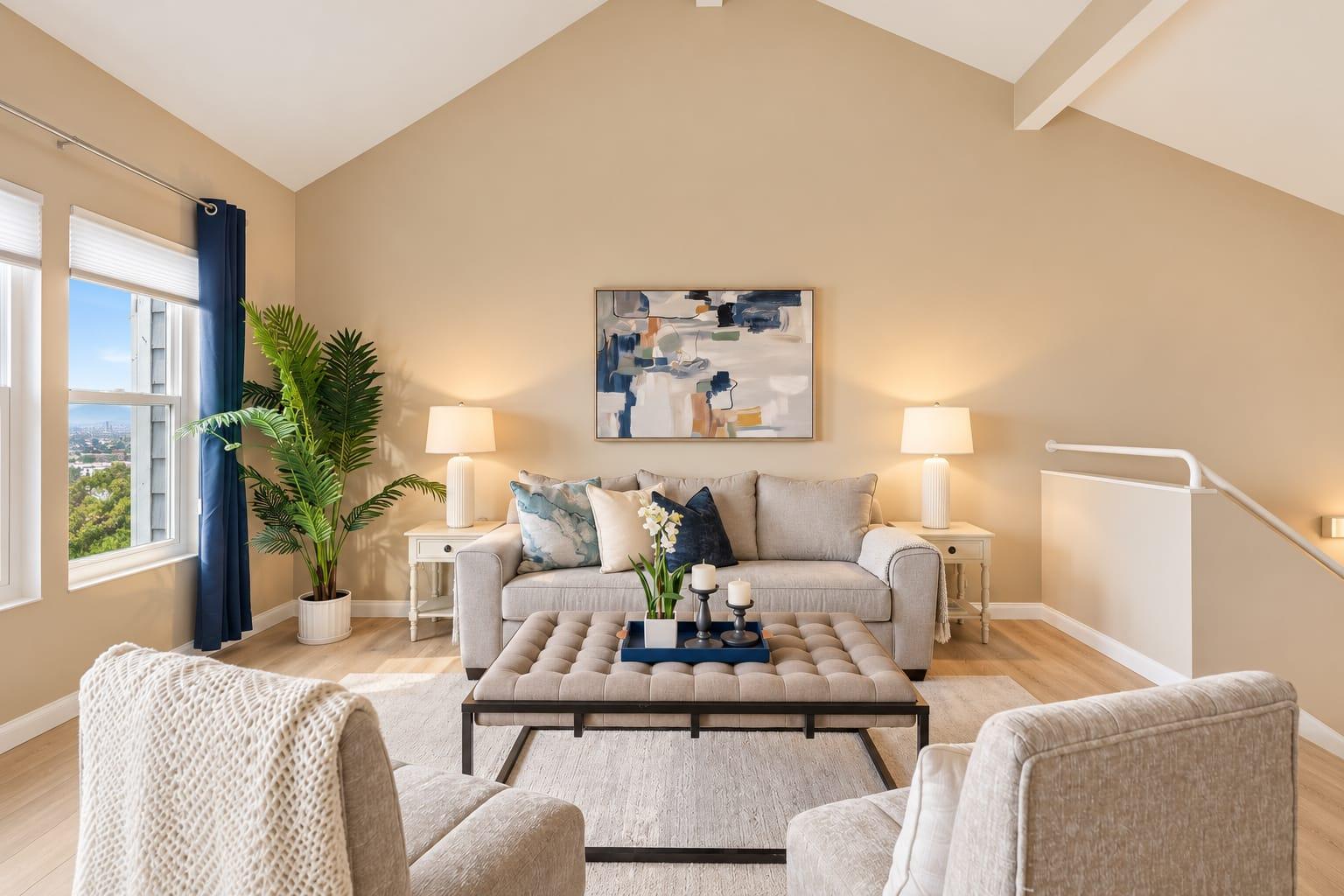
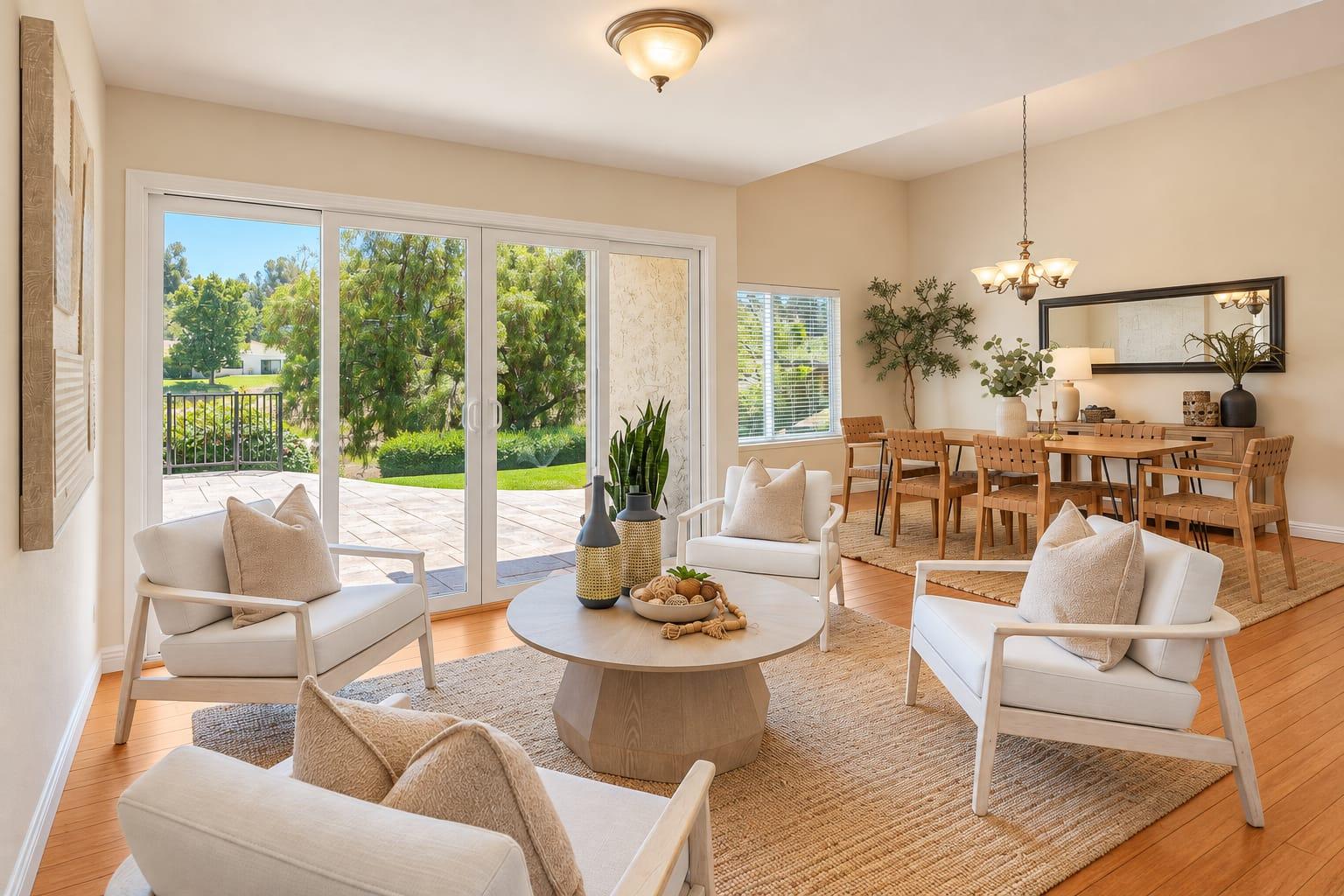
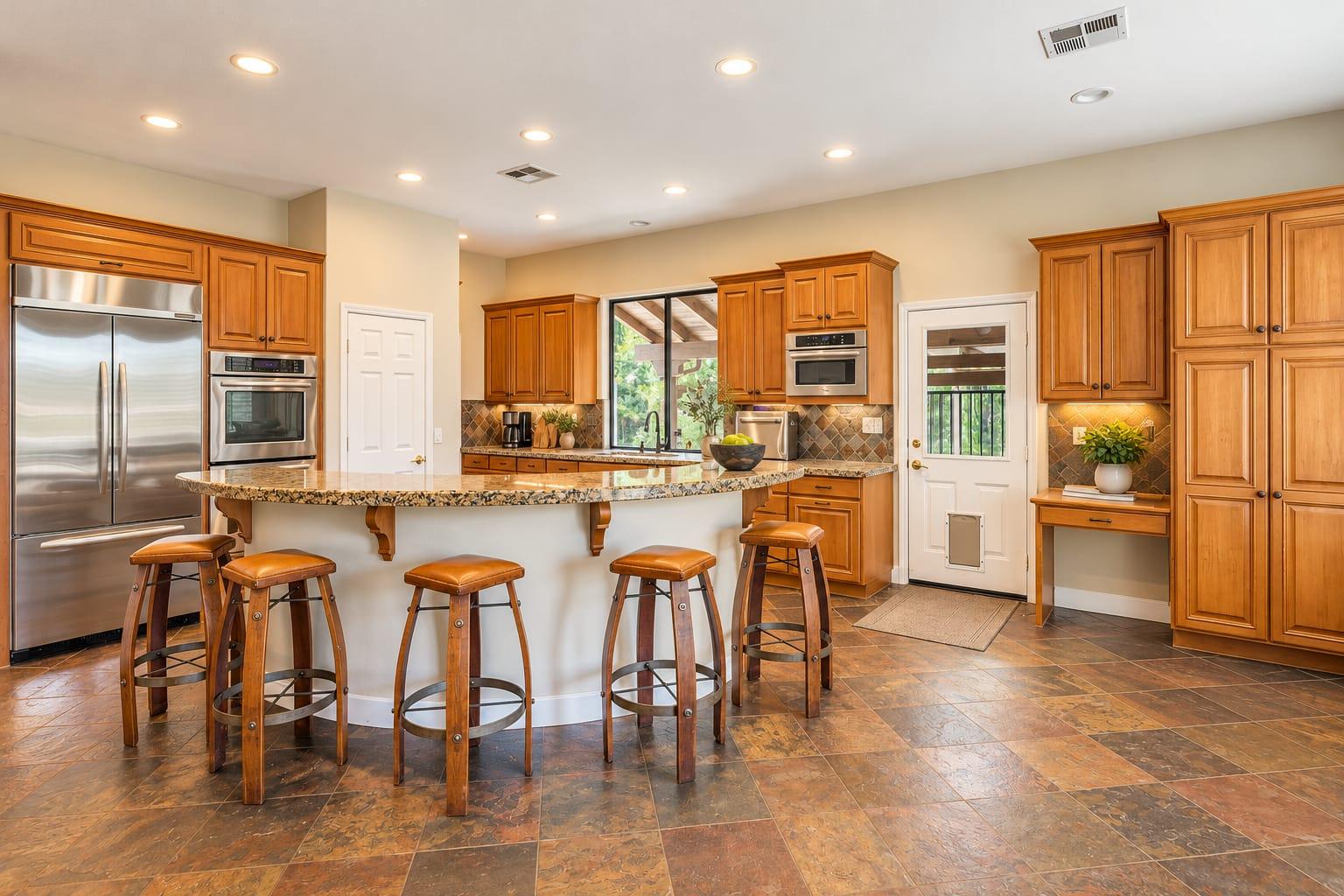
Physical staging in San Diego runs about $2,800–$8,000 or more, which many estates won't spend on an as-is sale. Virtual staging, $35 per photo with us, can furnish the living room and primary bedroom in the photos so buyers can picture the space, as long as every staged image is labeled. Some agents also show one virtually renovated kitchen as an idea of potential, clearly marked as a rendering.
How should photographers work with grieving families?
Confirm with the executor or trustee who will be present and what may be photographed.
Avoid photographing family photos, religious items, and personal mementos.
Be flexible with timing around the family's schedule.
Keep the shoot quiet and efficient.
Share photos with the executor before the listing goes live if they ask.
When family members are present at an estate shoot, the usual approach is to work quietly and respectfully, explain what's being photographed, and give them space.
Who buys probate and trust sale homes, and what do they look for?
Estate sales in San Diego attract a mix of buyers: families looking for a home they can update over time, investors planning a renovation or a flip, and builders interested in the lot. Each looks for different things. Families want to see the layout and the light. Investors want to understand condition and scope. Builders care about the lot, the street, and the zoning. A complete set of photos, with the lot and the location shown clearly, serves all three.
How do you show potential without overselling?
Let the photos show what's there, and let the listing description and any clearly labeled renderings suggest what could be. Bright, straight, uncluttered photos already show potential: buyers see the space, the windows, the flow, and the yard. If you include a virtual staging or a renovation rendering, label it plainly and keep the real, unstaged photo next to it, so no buyer feels misled at the showing.
What about the exterior and the lot?
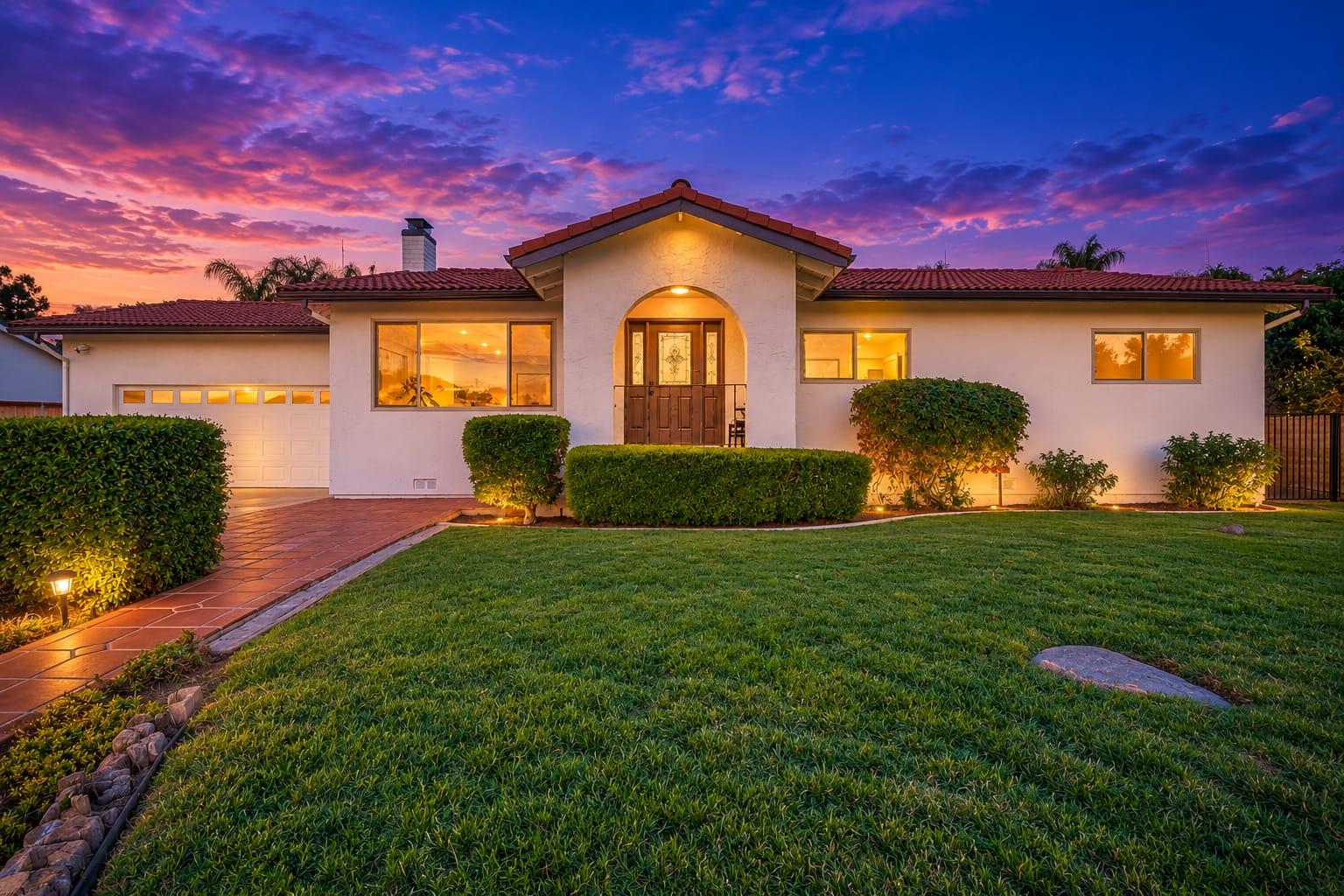
In many estate sales, the lot is the main value: a large yard in Clairemont, a view in La Mesa, or a corner lot in Encinitas. Photograph it fully, with the yard cleared of debris, and add an aerial if the airspace allows to show the lot's size and position. Overgrown landscaping can be trimmed before the shoot without much cost, and it changes the first impression dramatically.
How much does estate sale listing photography cost?
The same as any listing. San Diego agents typically spend about $300–$400 on a listing shoot, and ours runs $225–$395 by home size, full coverage with no photo caps. Photos are usually paid from the estate as a marketing cost, or by the listing agent. See the pricing page and our guide to photographing occupied homes if the cleanout isn't finished.
Frequently asked questions
Should a probate home be photographed before the cleanout?
Usually after. Belongings hide the layout and make rooms look smaller and darker.
How do you photograph an as-is home?
Clean, bright, and honest, showing condition as it is and letting the description explain the as-is terms.
Is virtual staging appropriate for an estate sale?
It can help buyers picture an empty home. With us it is $35 per photo, and every staged image must be labeled.
Who pays for photos in a probate sale?
Usually the estate, as a marketing cost, or the listing agent. Agree it with the executor or trustee.
Who decides on the photos in a trust sale?
Usually the trustee or executor, working with the listing agent. Agree what may be photographed before the shoot.
Should the lot get its own photos?
Yes. In many estate sales the lot is the main value, so show it fully, with an aerial where the airspace allows.
Can family photos appear in listing photos?
They should not. Remove or avoid personal items and mementos.
Ready when your listing is
Book your shoot online in a few minutes. Photos are delivered the next day.