The True Cost: Virtual vs. Physical
Physical staging in San Diego costs between $1,500 and $8,000 for a typical 3-bedroom home, depending on the number of rooms, the quality of furnishings, and the rental duration. Most staging contracts run 30–90 days. If the listing sits longer than expected, you pay month-to-month extension fees. For a $2M home in La Jolla, full staging often costs $6,000–$10,000 for the first 30 days.
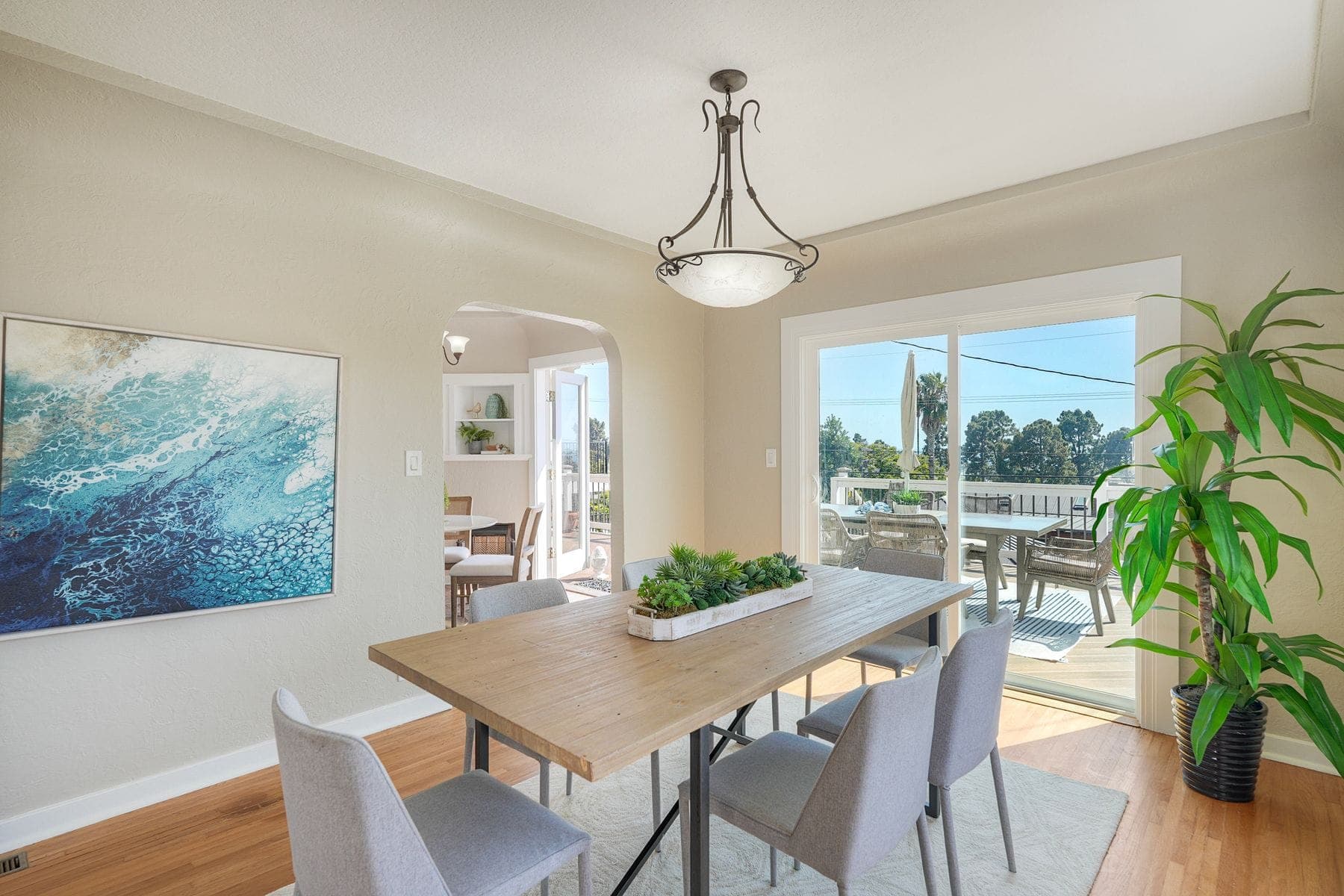
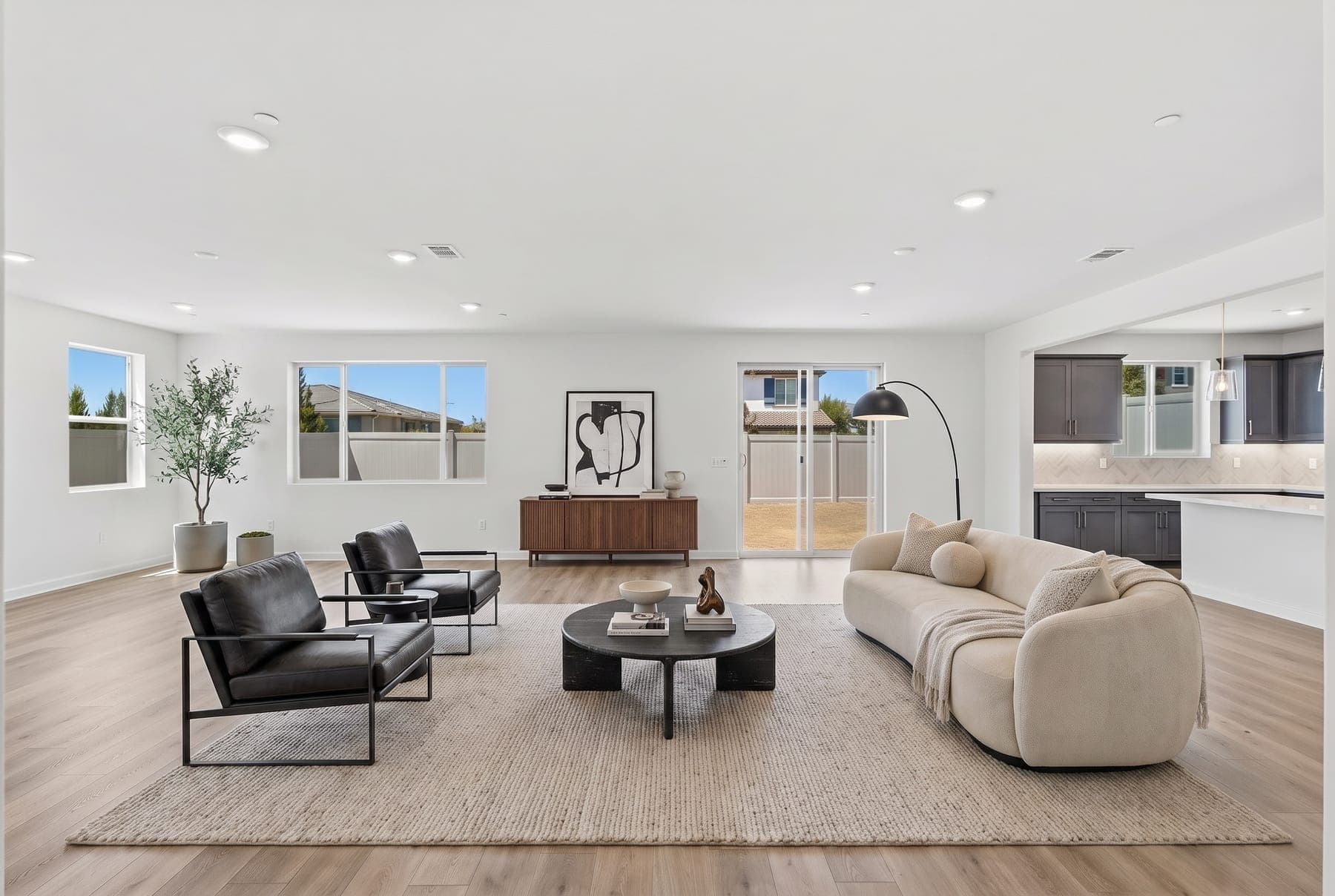
Virtual staging, by contrast, is priced per photo: $35 each for the first 5, then $25 per photo after that. Staging the hero shots of a typical home runs a few hundred dollars total — a fraction of physical staging. Delivery is 24–48 hours, and revisions are typically included.
The math is straightforward: virtual staging costs approximately 3–5% of physical staging on a per-listing basis. But cost alone isn't the full picture. The right choice depends on the listing, the buyer pool, and how the property will be shown.
When Virtual Staging Wins
Virtual staging performs best in specific circumstances where physical staging provides diminishing returns:
Vacant condos and townhomes under $900k: Buyers in this price range are highly motivated by online photos. If your listing generates 80%+ of its showings from Zillow, Redfin, and Realtor.com before buyers even visit in person, virtual staging gets them through the door — and that's the conversion that matters.
New construction and pre-sale properties: When a property isn't physically available to stage, virtual staging lets you show buyers what the finished space could look like. Developer clients use this routinely.
Investment properties: Buyers purchasing for rental income are less emotionally driven and more focused on floorplan and financials. Virtual staging communicates square footage and proportions without the cost of physical furniture.
Properties with unusual layouts: If a room has a difficult layout, virtual staging lets you test multiple furniture arrangements digitally to find the configuration that photographs best — something physical staging locks you into one attempt.
When Physical Staging Wins
Physical staging still outperforms virtual in some important scenarios:
Luxury properties above $2M: High-net-worth buyers frequently attend showings before making offers on significant purchases. The tactile experience of walking through a beautifully staged home — the scent, the atmosphere, the sense of lifestyle — is difficult to replicate from photos alone. For Rancho Santa Fe estates and La Jolla oceanfront properties, physical staging is often a justified investment.
Properties with lots of in-person traffic: If your listing is generating high showing volume from motivated buyers, the in-person impression matters enormously. A virtually staged home that shows as empty in person creates cognitive dissonance that can cool buyer enthusiasm.
Seller-occupied homes: When a home is occupied but the furnishings are dated or cluttered, a professional stager can rearrange, edit, and supplement existing furniture — something virtual staging can't help with at all during showings.
Open house listings in competitive markets: For properties likely to have multiple offers, the showing experience can be the differentiator. Physical staging in these situations signals to buyers that the seller is serious.
How to Present Virtual Staging to Buyers
The most common agent concern about virtual staging is disclosure. In California, MLS rules and the Code of Ethics require that virtually staged photos be labeled as such. Most agents add a simple watermark or disclosure in the photo caption field: "Photo virtually staged."
Done correctly, this disclosure doesn't hurt listings — it actually builds trust. Buyers appreciate transparency, and they understand that empty homes look worse in photos than in person. The disclosure frames the virtually staged photos as a helpful visualization tool, not a deception.
Practical tips for disclosure that works:
Label photos consistently: Use the same disclosure format across all virtually staged images. "Virtually staged" is standard and MLS-accepted.
Show both versions in the listing: Upload the empty room photo alongside the virtually staged version. Buyers who click through the gallery can see both — this reinforces credibility.
Include in showing instructions: A brief note in the showing instructions — "Property is vacant; virtual staging photos are provided for layout reference" — sets correct expectations before buyers arrive.
Price the virtual staging investment correctly: a few hundred dollars for a full gallery of staged photos is a marketing line item, not a seller concession. Include it in your marketing budget, not your staging negotiation.
Twilight Edits and Sky Replacements: Related Services
Beyond room staging, two other photo editing services fall into the virtual enhancement category and follow similar disclosure practices:
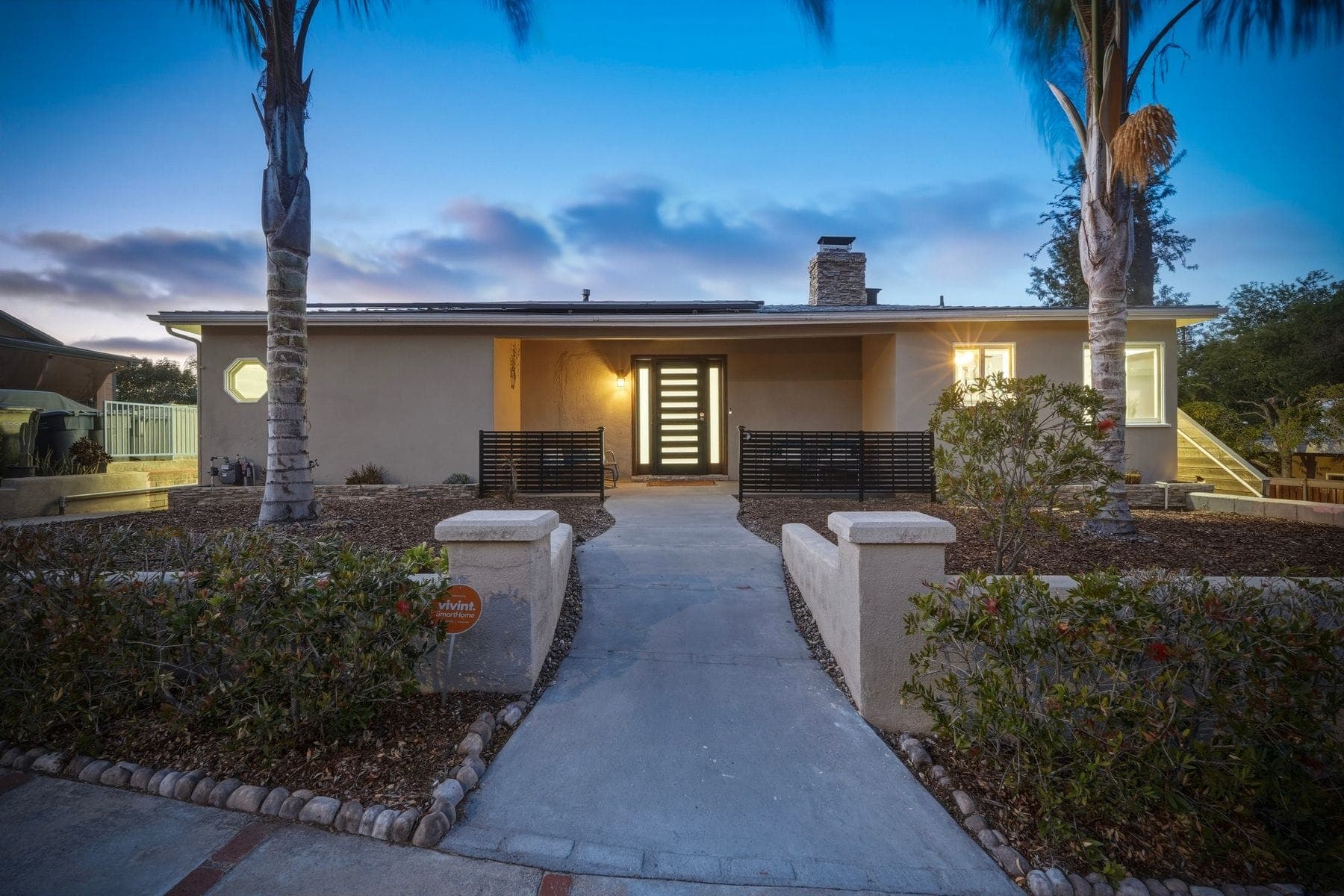
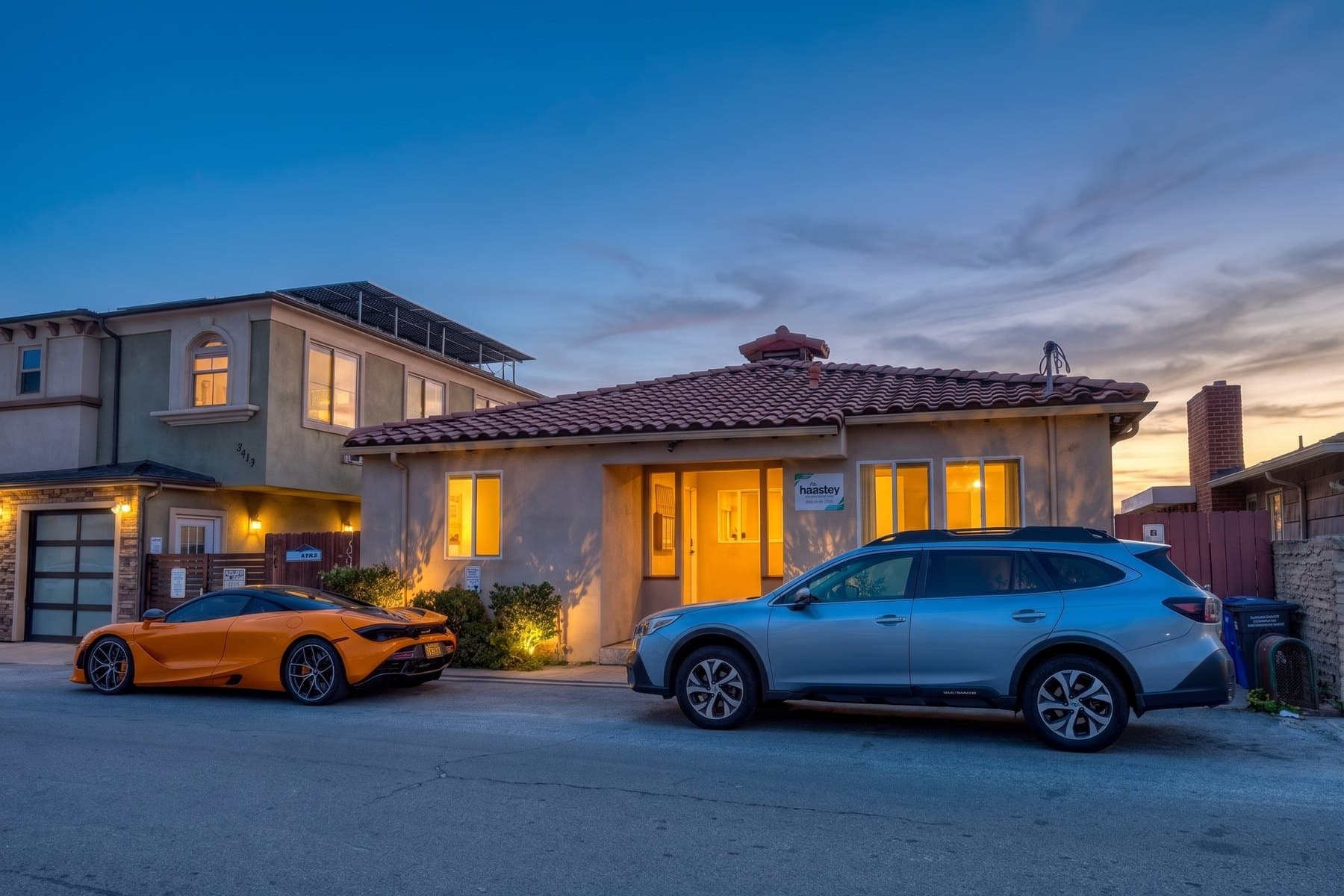
Twilight edits: A day-to-dusk conversion that digitally transforms a standard exterior photo into a golden-hour or blue-hour image. Interior lights are brightened, the sky is replaced with a dramatic sunset or blue-hour palette, and exterior lighting is enhanced. At $35 per photo, a single twilight-edited exterior is one of the highest ROI enhancements in real estate photography.
Sky replacement: A blue sky guarantee ($5 per photo) that replaces overcast or grey skies with clear blue skies in exterior shots. San Diego's marine layer makes this a practical tool for coastal listings. Unlike twilight edits, sky replacements are often subtle enough that buyers don't notice them — but disclosure is still best practice.
Both services are delivered alongside your standard photography order and require no additional shoot time. They're most effective when applied selectively — one or two dramatic images rather than an entire gallery of modified shots.
Per photo$25–$35$300–$600/room
Full gallery~$200–$500$1,500–$8,000
Delivery time24–48 hrs3–7 days
Works during showingsNoYes
Requires disclosureYesNo
Best for online conversion✓ Yes—
Best for luxury / in-person—✓ Yes
VirtualPhysical
Quick answers
- How much does physical staging cost in San Diego?
- Physical staging in San Diego costs between $1,500 and $8,000 for a typical 3-bedroom home, depending on the number of rooms, the quality of furnishings, and the rental duration. Most staging contracts run 30–90 days.
- When does virtual staging beat physical staging?
- Vacant condos and townhomes under $900k: Buyers in this price range are highly motivated by online photos. If your listing generates 80%+ of its showings from Zillow, Redfin, and Realtor.com before buyers even visit in person, virtual staging gets them through the door — and that's the conversion that matters.
- Do virtually staged photos have to be labeled?
- In California, MLS rules and the Code of Ethics require that virtually staged photos be labeled as such. Most agents add a simple watermark or disclosure in the photo caption field: "Photo virtually staged."
Virtual staging from $35/photo
Transform your vacant listing today.