Virtual Twilight vs Real Twilight Photography: Cost, Look, and When to Use Each
A virtual twilight is a daytime photo edited to look like dusk, and costs $35 per photo with us. A real twilight is photographed on location at dusk in a separate visit, and costs $295. Use virtual for most listings that need a standout lead photo on a budget, and real twilight when the home has lighting, a pool, or a view that only shows at dusk.
October 3, 20267 min read
By Tom Van Vechten · Updated
What is the difference between virtual and real twilight?
Real twilight is a photograph taken during the short window after sunset, when the sky is deep blue and the home's lights are on. The photographer returns to the property in the evening, sets up before sunset, and shoots through the 20 to 30 minutes when the light balances.
Virtual twilight starts with a normal daytime exterior. An editor replaces the sky, darkens the scene, and adds a warm glow to the windows and lights. Nobody visits at dusk. You may also see it called day-to-dusk.
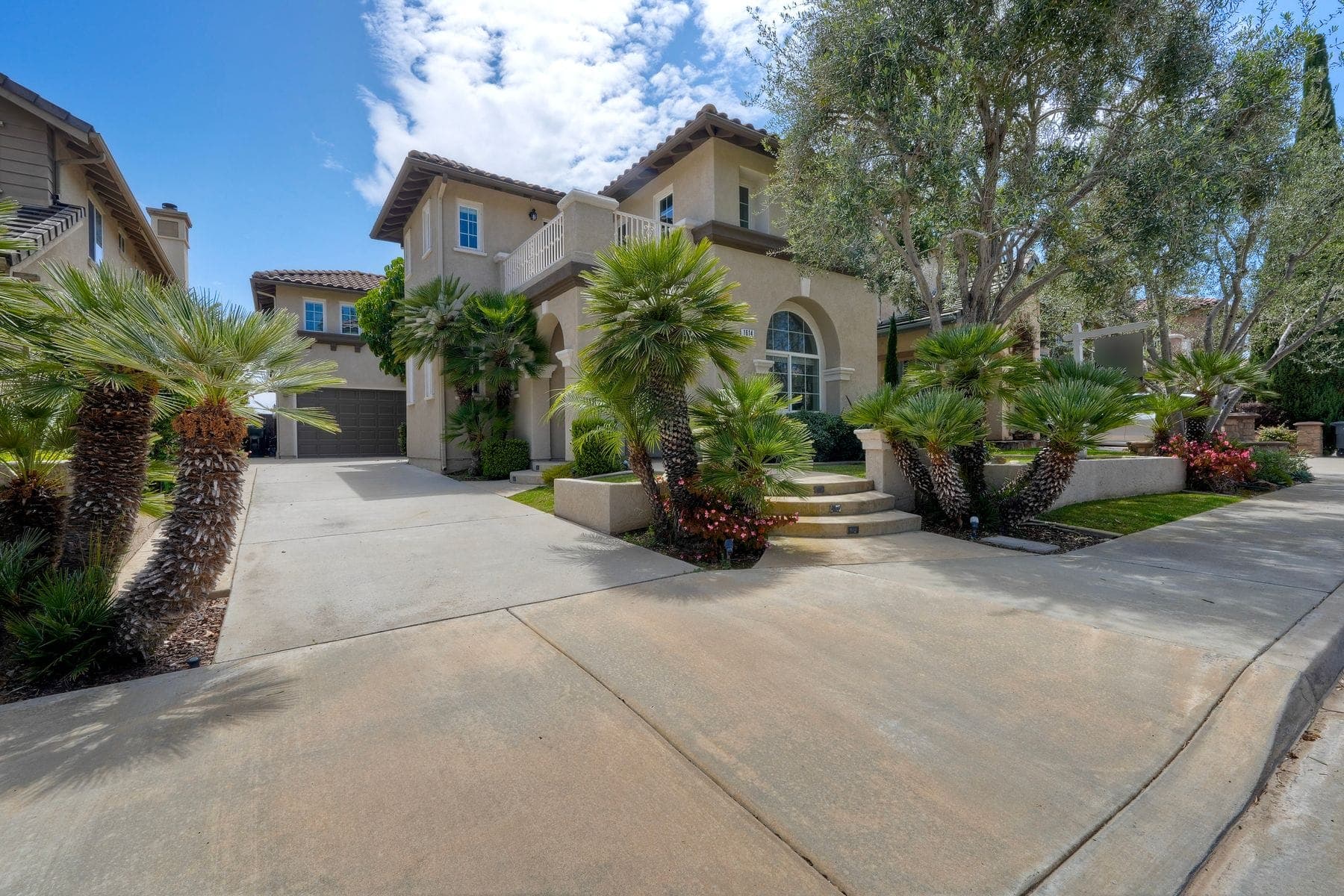
The daytime photo of a San Marcos home.
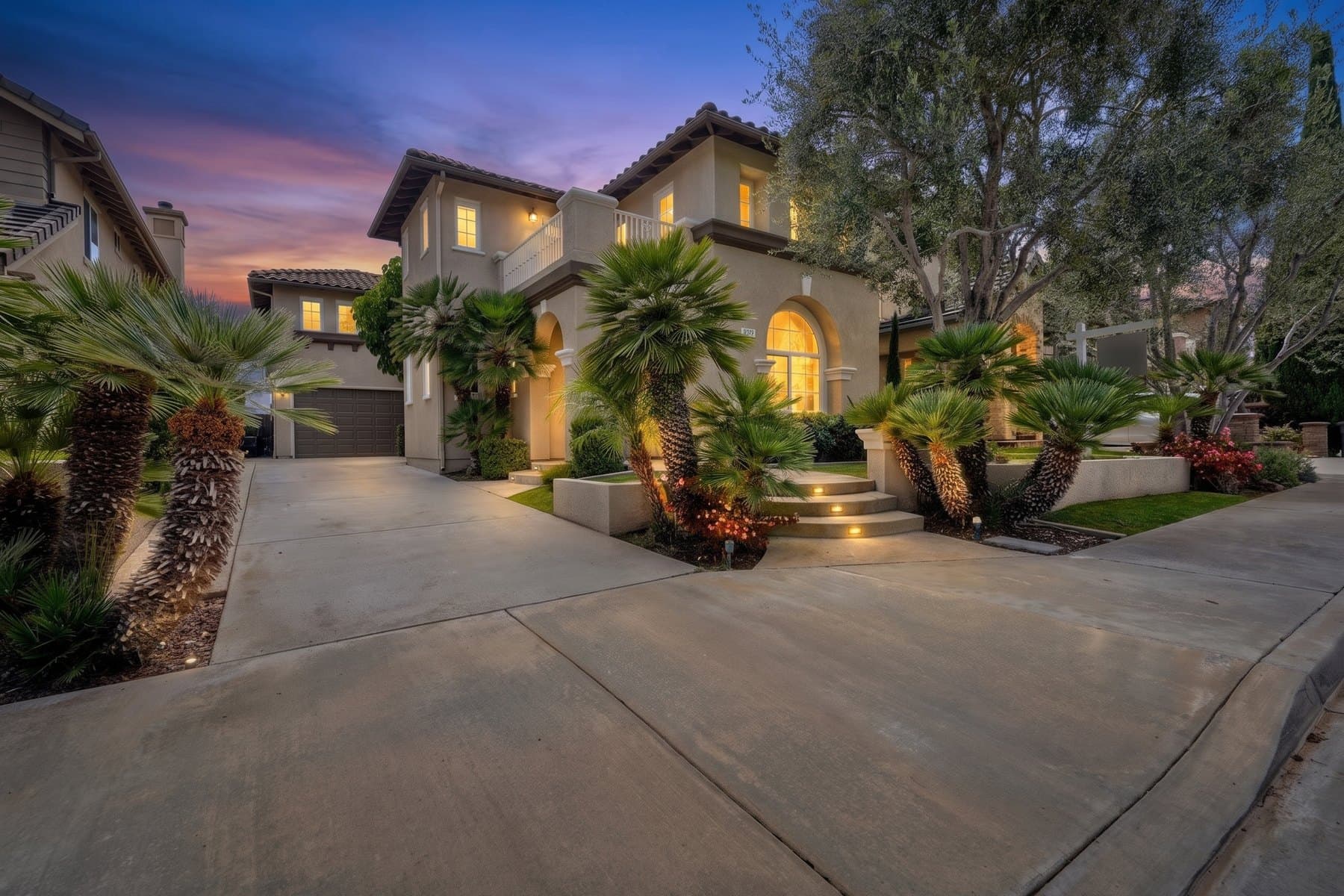
The same photo as a virtual twilight: the sky and the window glow were added in editing.
How much does each one cost?
Virtual twilight
Real twilight
Price
$35 per photo
$295 per shoot
Extra visit
No
Yes, at dusk
Scheduling
None. It uses a photo from your shoot
Seller home, lights on, clear evening
Delivery
With your other photos
After the evening shoot
Disclosure in California
Required. It is a digitally altered image
Not altered, so no alteration disclosure
The price gap comes from the second trip. A real twilight takes a photographer's evening and depends on the weather. A virtual one is editing time. Current prices are on the pricing page. Two virtual twilight photos are included in our Signature package, and an on-location twilight is included in Luxury.
How do they look different?
A good virtual twilight is convincing in a thumbnail, which is where a lead photo does its job. Up close, the differences show:
Light on surfaces. At real dusk, light from the windows and landscape fixtures falls on the walls, the driveway, and the plants. An edit can add a glow to the windows, but it can’t fully recreate how real light spreads.
Pools and water. A lit pool at dusk is the hardest thing to fake well. The real version glows from inside.
Views. City lights, a sunset over the ocean, or a lit valley behind the home only exist in a real twilight.
Landscape lighting. If the seller has path lights or uplights, a real shoot shows them working.
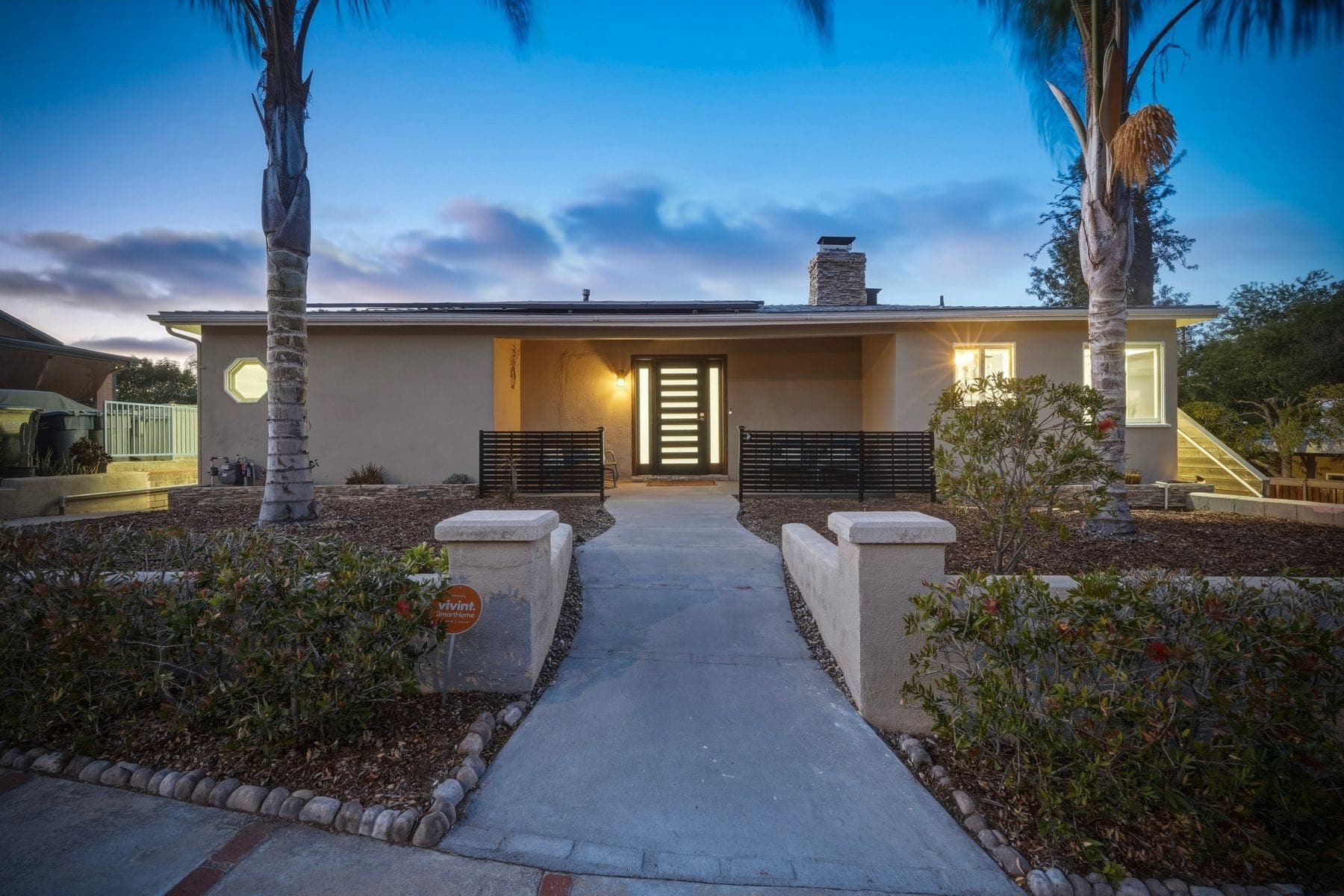
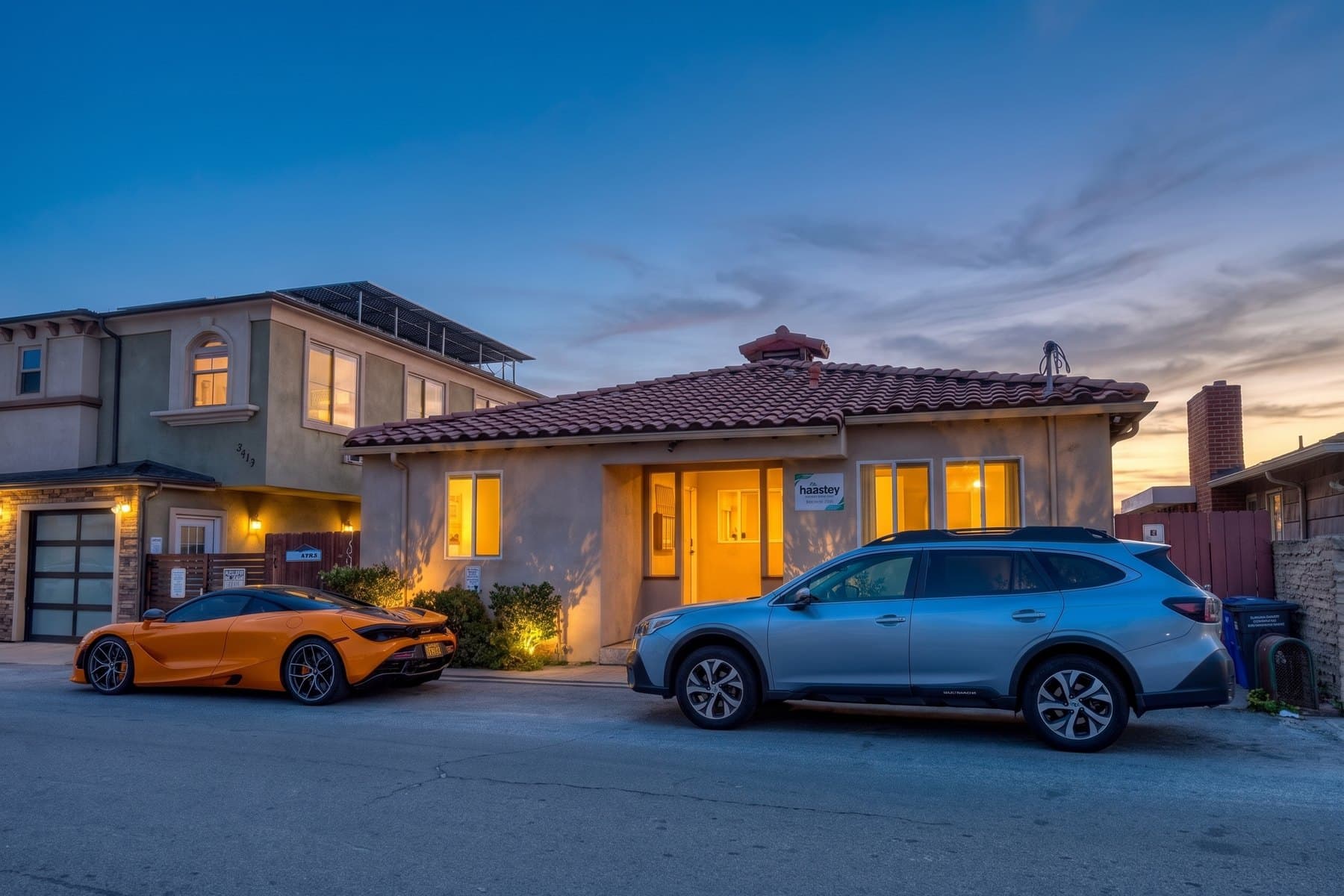
A real twilight from an Escondido shoot. The light on the walkway and walls is coming from the home itself.
When is virtual twilight the right choice?
You want a dusk lead photo and the budget is tight
The home has a clean front elevation and windows facing the street
The listing needs to go live quickly and there is no time for an evening shoot
The weather has been gray, or the marine layer keeps rolling in at sunset
The seller can’t be home in the evening to turn on every light
It works best on the front exterior. It's weaker on backyards with pools and on any shot where the view matters.
When is a real twilight worth the extra cost?
The home has a pool, a spa, or a fire feature
There is a view that lights up at dusk: ocean, city, or valley
The landscape lighting or architecture is a selling point
It is a luxury listing where buyers and the seller expect the real thing
You plan to use the image large, in print, or as the hero of the marketing
Yes, in California. A virtual twilight changes the sky and adds light that wasn't in the original photo, so it counts as a digitally altered image under AB 723. Label it, and include the original daytime photo in the listing so buyers can see both.
A real twilight is a photograph of how the home looked that evening. Normal editing, like color and exposure, doesn't make it an altered image. Our AB 723 guide covers the details, and your MLS may have its own labeling rules.
How should I use a twilight photo in the listing?
Lead with it, or put it second. A dusk exterior stands out in a search full of daytime photos.
Follow it with the daytime exterior, so buyers see the home in normal light too.
Use it for the sign rider, the flyer, and social posts. It is usually your most shareable image.
Don’t overuse it. One to three twilight images is enough.
If you aren't sure which one a listing needs, start with a virtual twilight of the front exterior. New clients can get one free with their first shoot. If the result makes you wish the pool or the view were in it too, that is the sign the home is worth a real twilight visit.
Frequently asked questions
How much does a virtual twilight photo cost?
With Turnkey Media, $35 per photo. It is edited from a daytime photo from your shoot, so there is no extra visit.
How much does a real twilight shoot cost?
Our on-location twilight shoot is $295. It requires a separate visit at dusk.
Can buyers tell a virtual twilight from a real one?
In a small thumbnail, often not. At full size, real twilight shows natural light on the walls, the driveway, and any pool or view, which editing can’t fully match.
Is virtual twilight allowed on the MLS?
Yes, when it is disclosed. In California it is a digitally altered image under AB 723, so label it and include the original photo. Check your MLS for its labeling format.
What time is a real twilight photographed?
In the 20 to 30 minutes after sunset, with the photographer on site before the sun goes down to set up.
Free for your first shoot
Get a free virtual twilight photo with your first Turnkey shoot.