Why Vacant Homes Struggle
Empty homes are harder to sell than they look, and the reasons are psychological, not structural.
Buyers are bad at judging scale in an empty room — without furniture for reference, spaces read as smaller and more awkward than they are, and every flaw (a scuff, an outlet, an odd corner) has nothing to compete with for attention. An empty room also gives buyers nothing to emotionally attach to; there's no life to picture themselves stepping into. And online, a carousel of bare rooms tends to get fewer clicks and shorter views than a furnished one, because it simply reads as less inviting in the thumbnail.
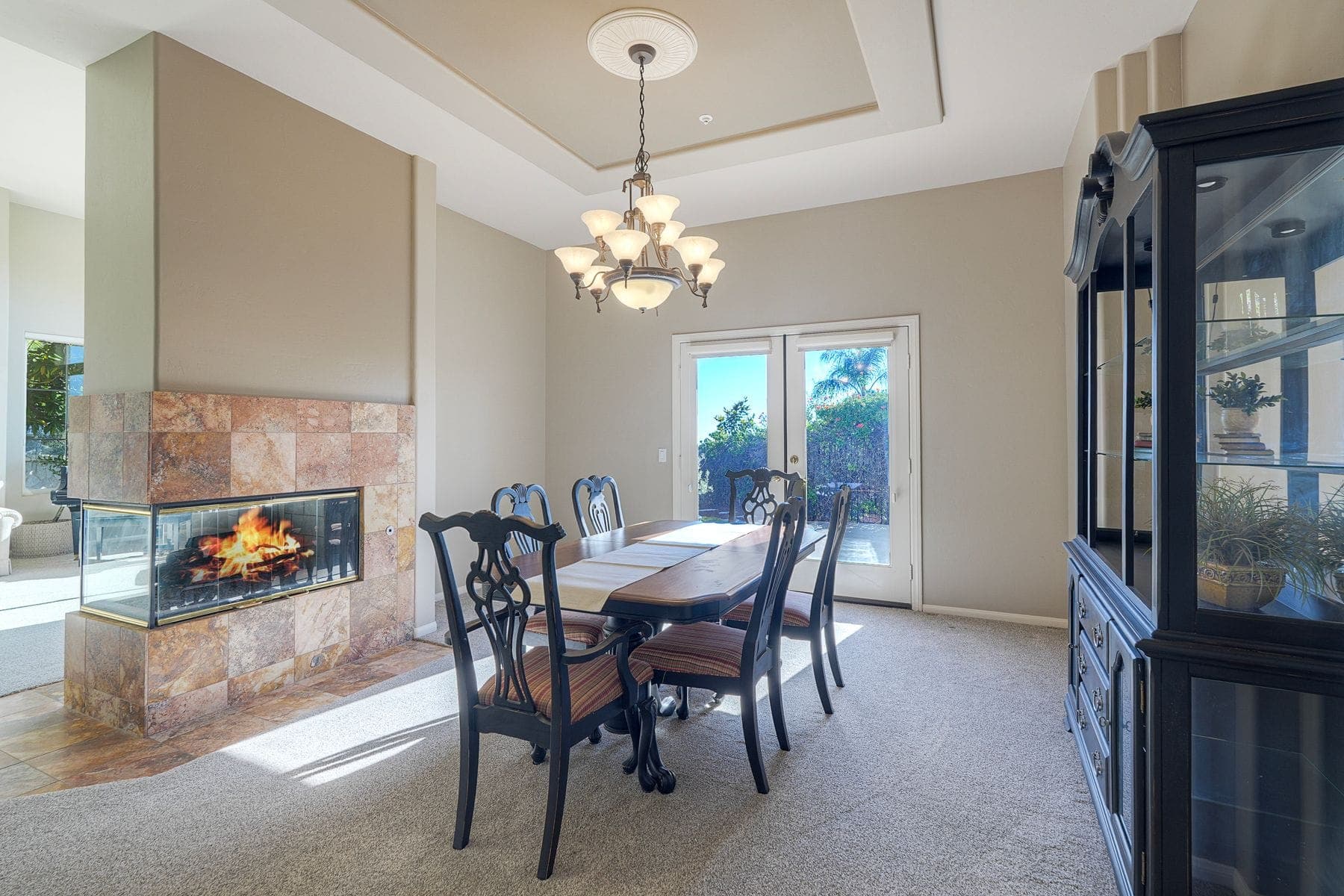
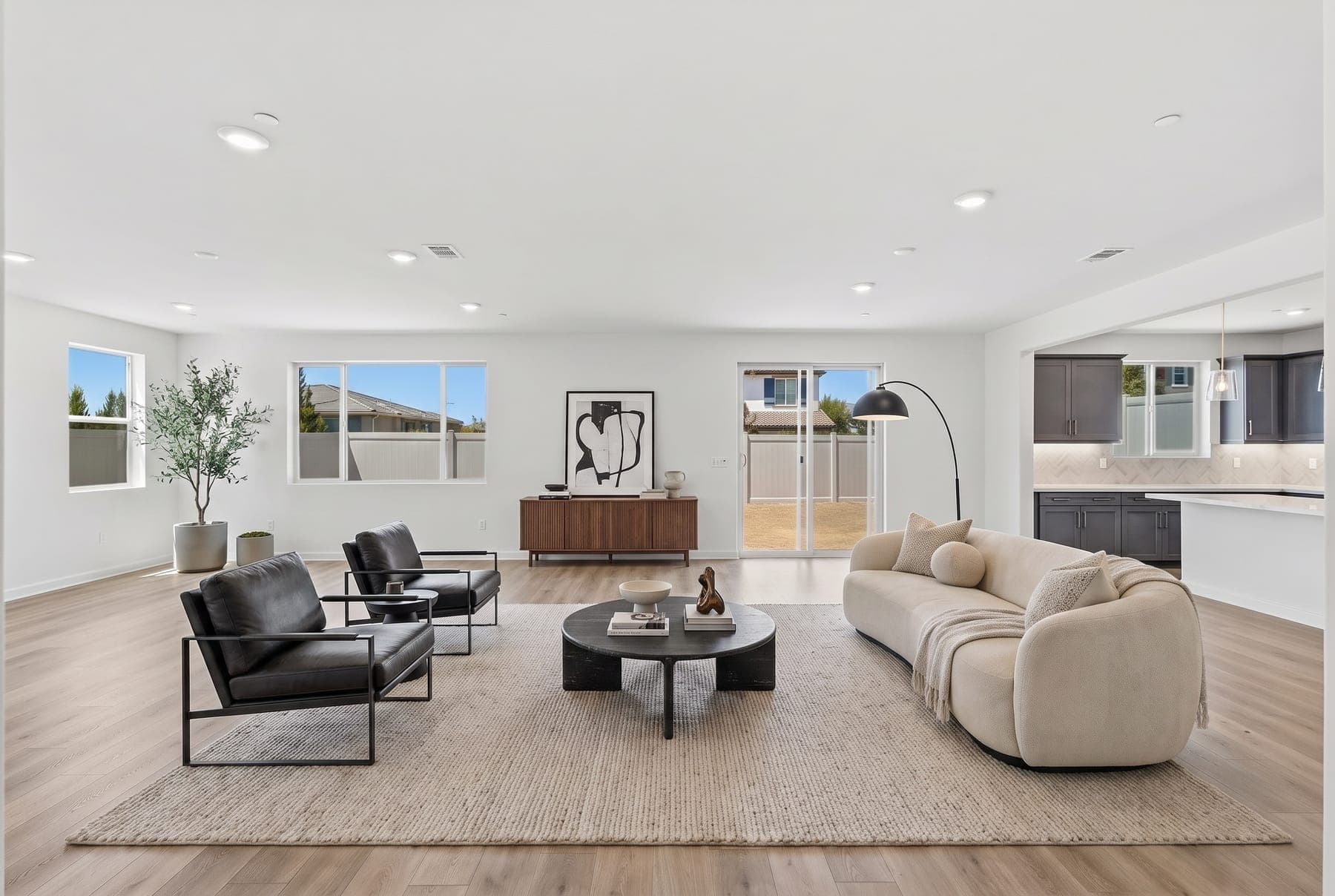
Virtual staging exists to solve exactly this: it adds tasteful, realistic furniture to photos of empty rooms so buyers can read the scale, see the function, and feel the life. The question isn't whether staged photos look better than empty ones — they obviously do. It's whether that translates into real selling performance, and how to do it without misleading anyone.
What the Data Says
The performance case for staging — virtual or physical — is one of the more consistent findings in listing marketing.
Industry data repeatedly associates staged listings with more online views and faster sales than comparable vacant ones, and buyers and agents alike report that staging helps buyers visualize a property and, in many cases, is linked to stronger offers. Virtual staging captures most of that visualization benefit at a small fraction of the cost of physical staging — dollars per image versus thousands to furnish a home — which is why it's become the default for vacant listings.
As always, treat the specific percentages floating around as directional industry figures rather than guarantees. But the underlying mechanism is sound and well-evidenced: furnished-looking rooms get more attention and help buyers commit, and virtual staging delivers that at a cost that's trivial against the price of a home sitting empty on the market.
How to Stage So Buyers Trust It
Virtual staging only works if buyers believe the home — a staged photo that sets up a disappointing showing does more harm than an honest empty room. The line between helpful and misleading is about what you change.
Add furniture, don't hide problems. Good virtual staging places believable, appropriately scaled furniture and decor to show how a room functions. It does not paint over water stains, erase dated finishes, remove permanent fixtures, or fake a renovation. The room a buyer walks into should be recognizably the room they saw online — just without the couch.
Keep it realistic and to scale. Oversized furniture that makes a room look bigger than it is, or a style that clashes with the home, reads as fake and erodes trust. The goal is "this is how you'd live here," not "this is a different, nicer house."
Show the empty room too. Including at least one un-staged photo of each staged space — or making the originals easily available — lets buyers see the real bones of the home and signals that you're being straight with them. That honesty tends to build confidence rather than undercut the staging.
Disclosure Isn’t Optional in 2026
Virtual staging is one of the edits regulators and MLSs care about most, so treat disclosure as a required step, not a nicety.
In California, AB 723 now requires conspicuous disclosure of digitally altered listing images and access to the originals — and virtually staged photos are squarely covered. Beyond the law, most MLSs require staged images to be labeled, increasingly with a visible watermark on the image itself (like "Virtually Staged"), not just a note in the remarks. As AI photo detection rolls out at the MLS level, undisclosed virtual staging is exactly the kind of edit that gets flagged.
The good news is that compliant staging is easy: label each staged image on the asset, keep and make available the empty-room original, and mention it in the listing description. Done that way, virtual staging is a pure win — it helps the home sell and stays on the right side of the rules. We deliver staged images clearly labeled and with the originals on file, so the compliant version always exists.
When to Use It (and When Not To)
Virtual staging is the obvious call for most vacant listings, but a few distinctions sharpen the decision.
Use it when: the home is empty or sparsely furnished, the layout is hard to read without furniture, or you're marketing to buyers who'll shop primarily online. This is the bread-and-butter case, and the cost-to-benefit is overwhelmingly favorable.
Consider physical staging instead when: the home is high-end enough that in-person showings need to feel furnished too — a virtual couch doesn't help the buyer standing in an empty $3M living room. For luxury vacant listings, the choice between virtual and physical staging is a real trade-off worth thinking through, which we cover in our dedicated staging cost-benefit guide.
Skip staging when: the home is already well-furnished and shows well as-is, or it's a tear-down where buyers care about the lot. Otherwise, for the empty listing that needs to feel like a home, credible, disclosed virtual staging is one of the cheapest ways to move it faster.
Quick answers
- Why are vacant homes harder to sell?
- Buyers are bad at judging scale in an empty room — without furniture for reference, spaces read as smaller and more awkward than they are, and every flaw (a scuff, an outlet, an odd corner) has nothing to compete with for attention. An empty room also gives buyers nothing to emotionally attach to; there's no life to picture themselves stepping into.
- Do I have to disclose virtual staging in California?
- In California, AB 723 now requires conspicuous disclosure of digitally altered listing images and access to the originals — and virtually staged photos are squarely covered. Beyond the law, most MLSs require staged images to be labeled, increasingly with a visible watermark on the image itself (like "Virtually Staged"), not just a note in the remarks.
- When should I use virtual staging?
- Use it when: the home is empty or sparsely furnished, the layout is hard to read without furniture, or you're marketing to buyers who'll shop primarily online. This is the bread-and-butter case, and the cost-to-benefit is overwhelmingly favorable.
Make the empty room sell
Get credible, disclosed virtual staging.