Home Staging Photography in San Diego: How Stagers Get Portfolio Photos
San Diego stagers usually get portfolio photos in one of three ways: from the listing agent's photographer, through a photographer's stager partner program, or by hiring their own shoot. Listing photos are taken anyway, so a partner program that sends you licensed images of your staging costs nothing, while hiring a local listing photographer yourself typically costs about $300–$400. Whichever route you choose, get the license in writing before you post the photos.
November 7, 20267 min read
By Tom Van Vechten · Updated
Why do home stagers need professional photos?
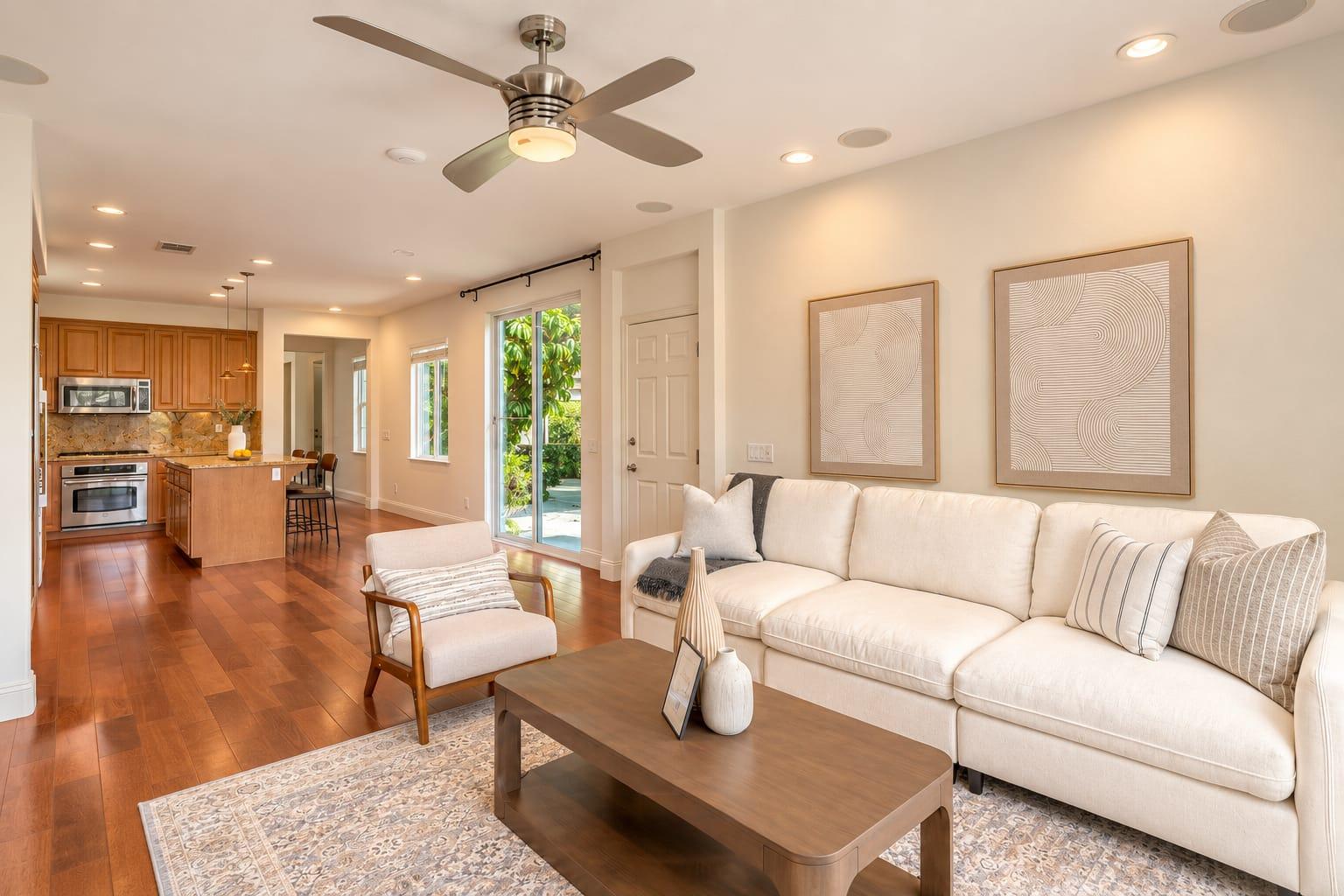
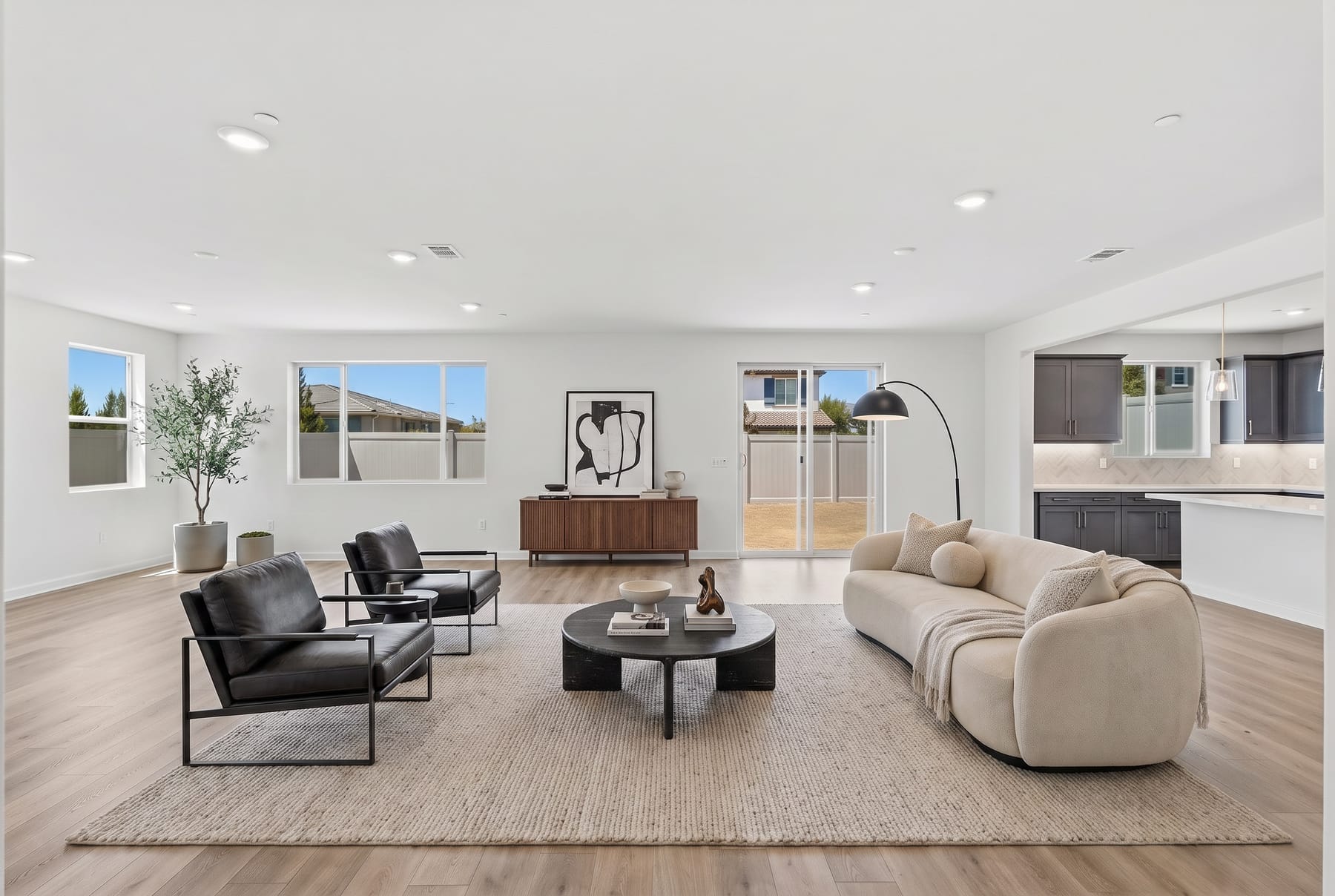
Staging in San Diego County is a real investment. Published local rates run about $2,800–$4,500 for a partial vacant package and $4,500–$8,000 or more for a full home. Agents and sellers choosing a stager at that price want to see finished rooms, not phone snapshots taken while the truck was being unloaded.
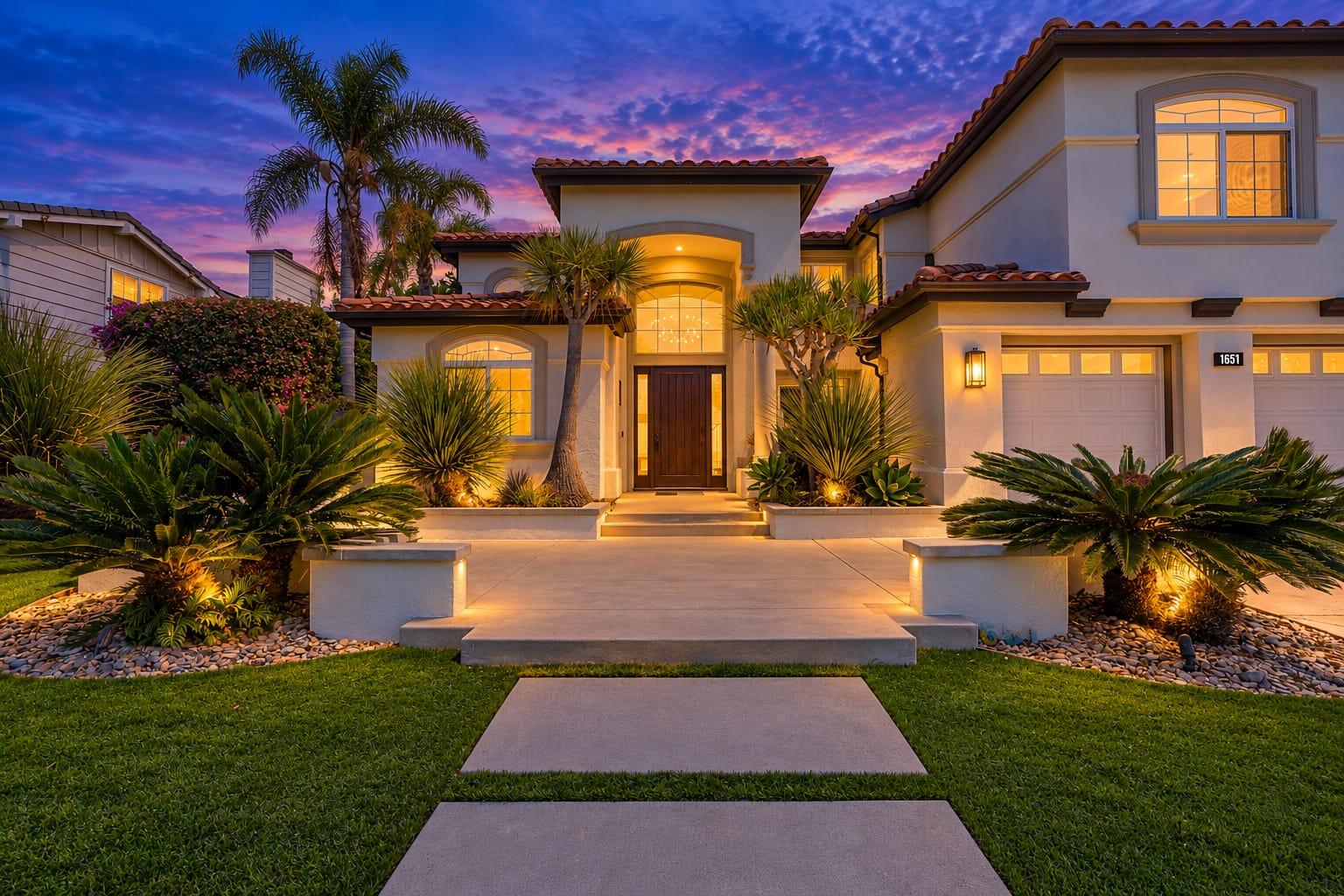
Your best marketing is your last ten homes, photographed well: a portfolio on your website, a feed agents scroll before they call, and images you can drop into a proposal for a Carlsbad listing or a Mission Hills condo.
Stagers who get photos of their work through a listing shoot usually use them in three places: their website portfolio, Instagram, and proposals to agents, where real finished rooms carry more weight than mood boards.
How can San Diego stagers get photos of their work?
Published San Diego listing rates and Southern California editorial rate cards, checked November 2026.
Option
Typical cost in San Diego
What you get
Ask the listing agent for the photos
Free
MLS photos, if the photographer agrees to license them to you
Turnkey stager partner program
Free
Licensed photos of your staging after any shoot an agent books with your code
Hire a listing photographer yourself
About $300–$400
A fast, full-coverage set made for the MLS
Book an editorial half day
About $1,800–$1,950 in Southern California; ours from $1,500
Styled, composed frames made for a portfolio
Most stagers start with the free routes and save an editorial shoot for a signature project, such as a Rancho Santa Fe estate or a model-quality remodel they want to lead their portfolio with.
How does a stager partner program work?
Listing photos of your staging are being taken anyway. A partner program simply routes a licensed copy to you. Ours works like this:
You join for free and receive a partner code and a booking link.
You give the code to the agents you stage for.
The agent books and pays as usual. Their price doesn't change.
After delivery, we send you the images of your staging, licensed for your portfolio, website, proposals, and social media, with a photo credit.
If an agent forgets the code, send us the address and we match it to the booking. Details are on the stager partner page.
Can stagers use listing photos without permission?
No. Listing photos belong to the photographer, who licenses them to the agent for marketing that listing. That license usually doesn't extend to you, even though the furniture in the frame is yours. Posting the photos without permission can lead to takedown requests or a claim from the photographer.
How should stagers use their photos to win more work?
A project page per home. The neighborhood, the style, the rooms you staged, and three to six photos. "Staged condo in Little Italy" is a page an agent can find.
Proposals. Show an agent the two homes you staged that look most like their listing.
Instagram and Pinterest. Vignettes and close details outperform wide rooms in a feed.
Google Business Profile. Add new photos every month, so your profile looks active.
Agent follow-ups. Send the finished photos to the agent with a thank-you note. It's the easiest way to get the next job.
Credit the photographer whenever you post, and keep the address out of every caption. Sellers and buyers don't want a home they just sold or bought identified online.
When should a staged home be photographed?
Right after install, before the first showing. San Diego listings move quickly, and once buyers walk through, pillows get moved and lamps get turned. Agents usually book the shoot within a day or two of staging, so tell them when the home is ready and ask them to schedule it then.
If you're photographing a home for your own portfolio after the listing photos, do it before the de-stage. The furniture leaves when the home goes under contract, and the moment is gone. Our listing photography runs $225–$395 by home size when an agent books it.
The most common timing mistake for stagers is a de-stage scheduled before the photos are taken, or a shoot booked before the staging is finished. Confirming the shoot date with the agent before booking the de-stage avoids it.
Frequently asked questions
How do home stagers get photos of their work in San Diego?
From the listing agent's photographer with permission, through a photographer's stager partner program, or by hiring their own shoot. Our partner program is free and sends licensed photos after any shoot an agent books with your code.
Can I post the listing photos of a home I staged?
Only with permission from the photographer, who owns the copyright. Ask for a written license.
Does the partner code change the agent's price?
No. The agent pays the same price. The code tells us the staging is yours.
How much does a staging portfolio shoot cost?
Hiring a San Diego listing photographer typically costs about $300–$400. An editorial half day runs about $1,800–$1,950 in Southern California, and ours starts at $1,500.
Do you offer staging?
We offer virtual staging. We don't do physical staging, which is why we refer that work to stagers.
For San Diego home stagers
Join the free stager partner program and get licensed photos of the homes you stage.