The Staged Home Photo Shot List: Room by Room, for San Diego Stagers and Agents
A staged home shot list should cover every staged room with one wide frame that shows the furniture plan, add one or two vignettes per hero room, and include the outdoor living spaces. Agree the list with the agent and photographer before the shoot, so the listing set and the stager's portfolio frames come from the same visit. In San Diego, patios, decks, and views often deserve as many frames as the bedrooms.
November 7, 20267 min read
By Tom Van Vechten · Updated
Why does a staged home need its own shot list?
A listing shoot is built for the MLS: every room, wide and bright. A staging portfolio needs some of the same frames plus a few the listing set rarely includes, like a tight vignette on a styled console. Writing both into one list means the photographer gets everything in one visit, before the first showing moves anything.
With physical staging in San Diego costing $2,800 to $8,000 or more, the photos are the record of that investment, for the seller, the agent, and the stager.
What should you shoot in the living spaces?
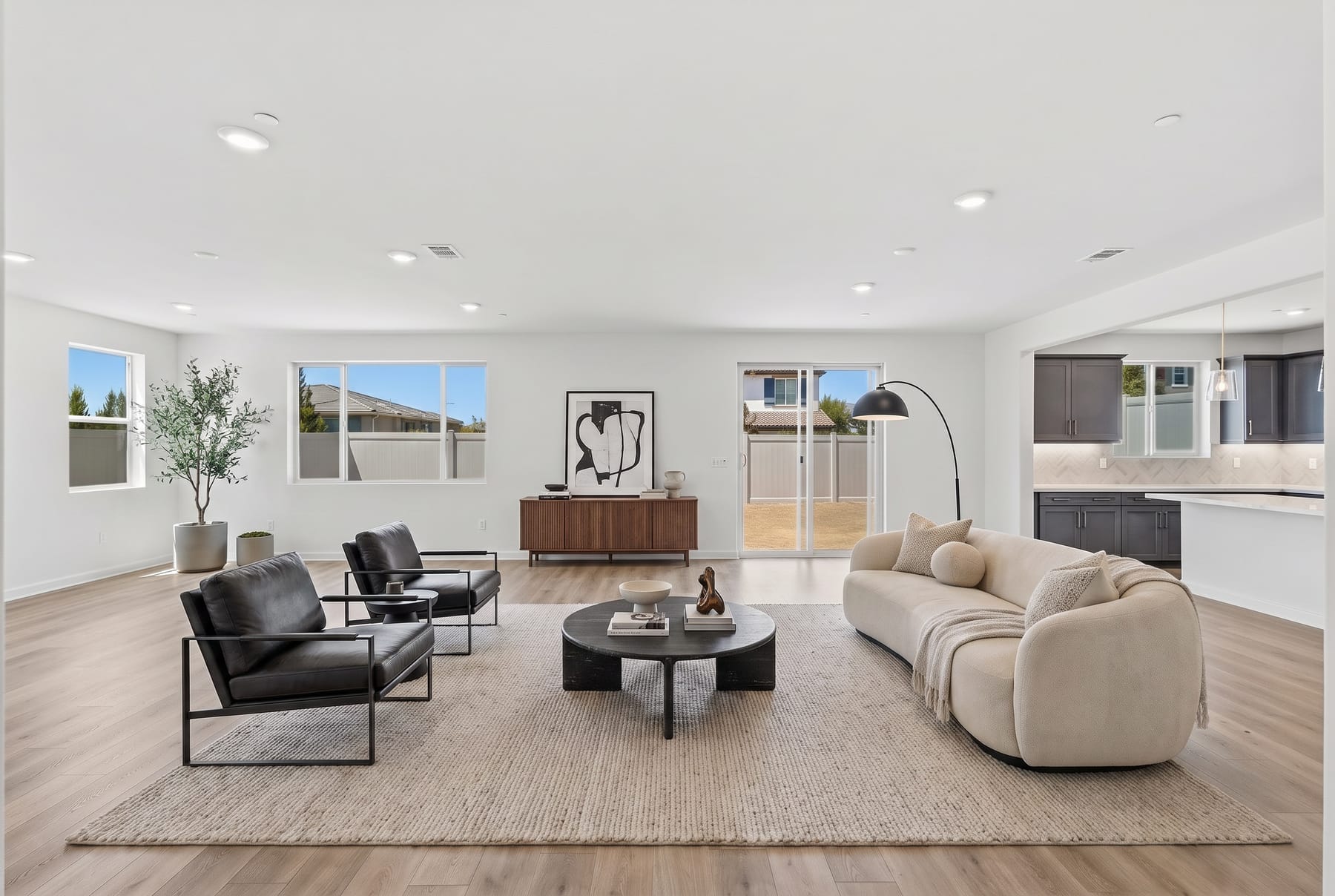
Living room, wide. From the corner that shows the seating plan and the flow to the next room.
Living room, second angle. Often toward the fireplace, the windows, or the view.
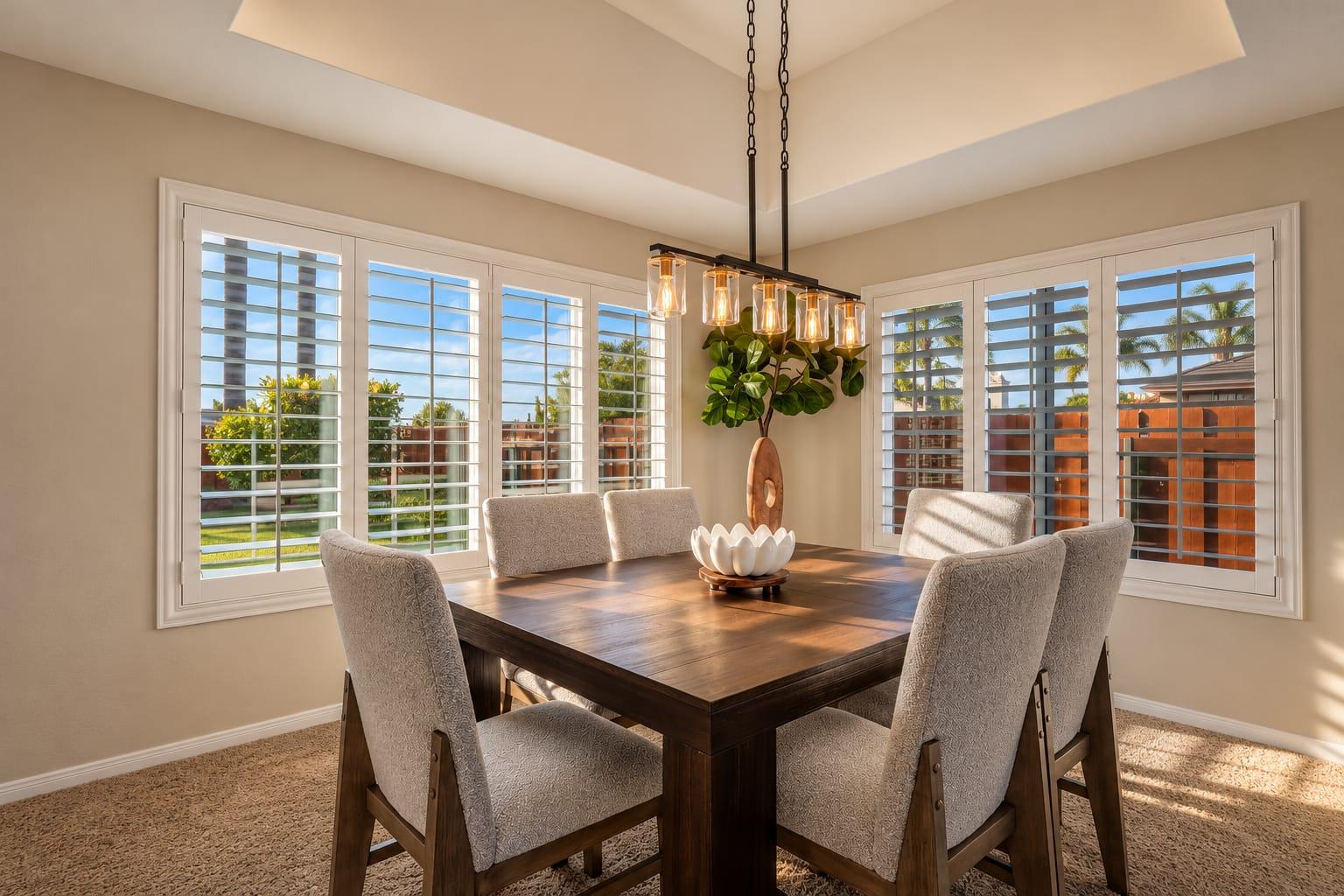
Kitchen and dining together. One frame that shows how they connect.
The set table. A vignette with place settings or a centerpiece.
Styled island or counter. Two or three objects, not ten.
One wide frame that shows the dining area, kitchen, and living room working together.
What should you shoot in bedrooms and bathrooms?
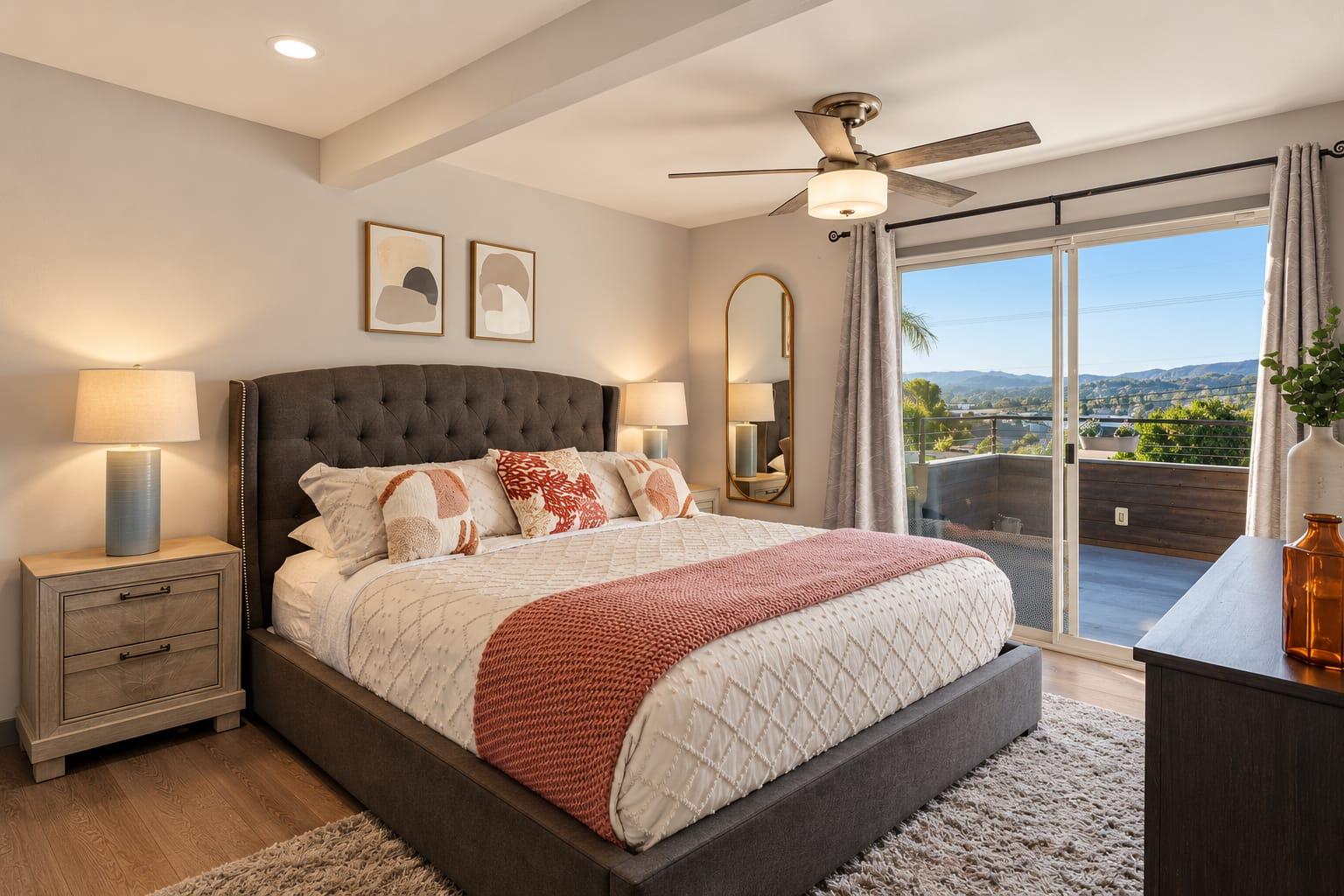
Primary bedroom, wide. Square to the bed, showing the headboard wall and nightstands.
Bedding vignette. Layered textiles and pillows, shot close.
Secondary bedrooms. One wide frame each, showing how the room can be used: guest room, office, nursery.
Primary bath. The vanity and the shower or tub, with fresh towels and one styled tray.
Which outdoor spaces should be photographed?
San Diego buyers buy the outdoor living as much as the house. If you staged the patio, make sure it's on the list.
The covered patio or deck with its furniture, wide
A dining or lounge vignette outside
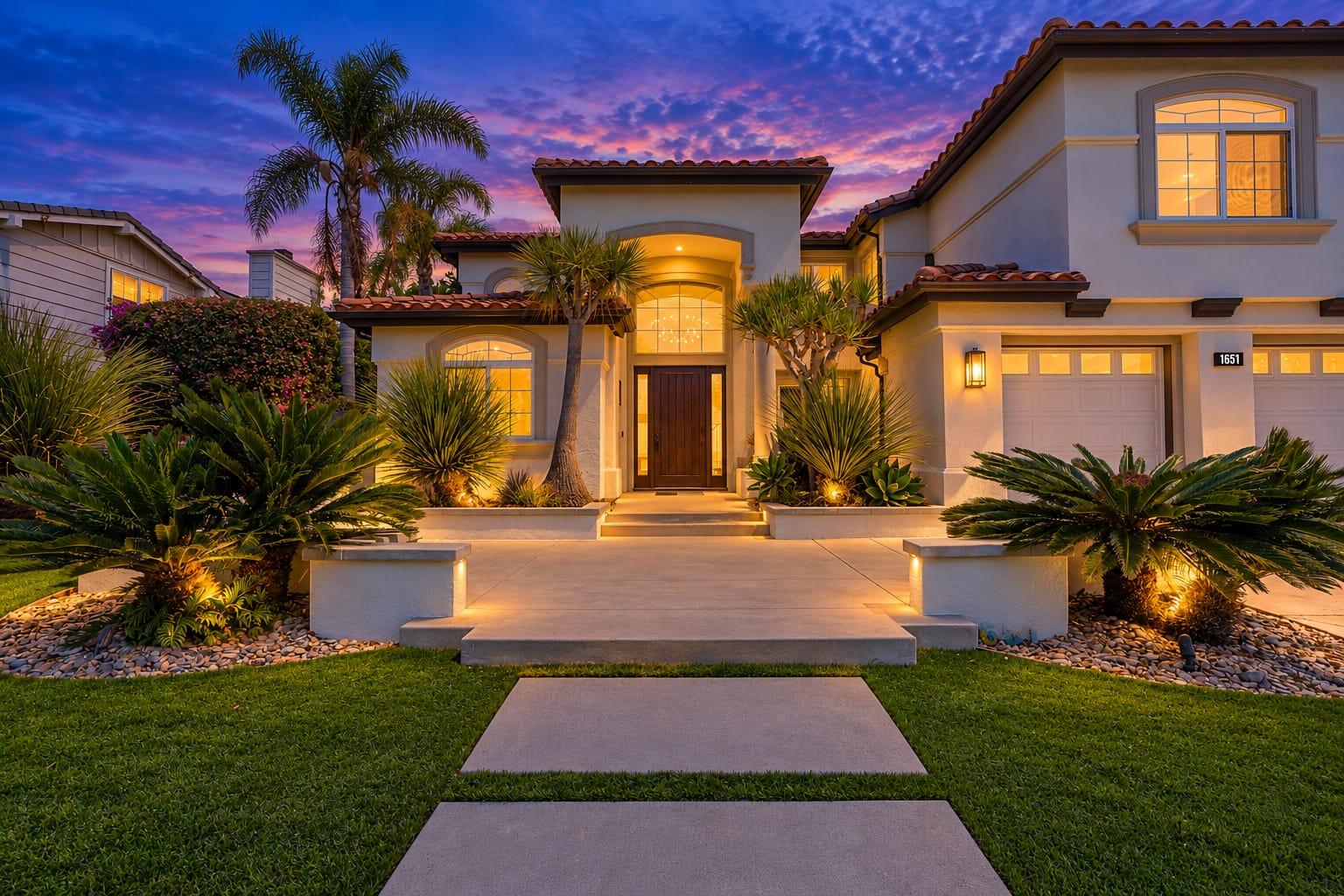
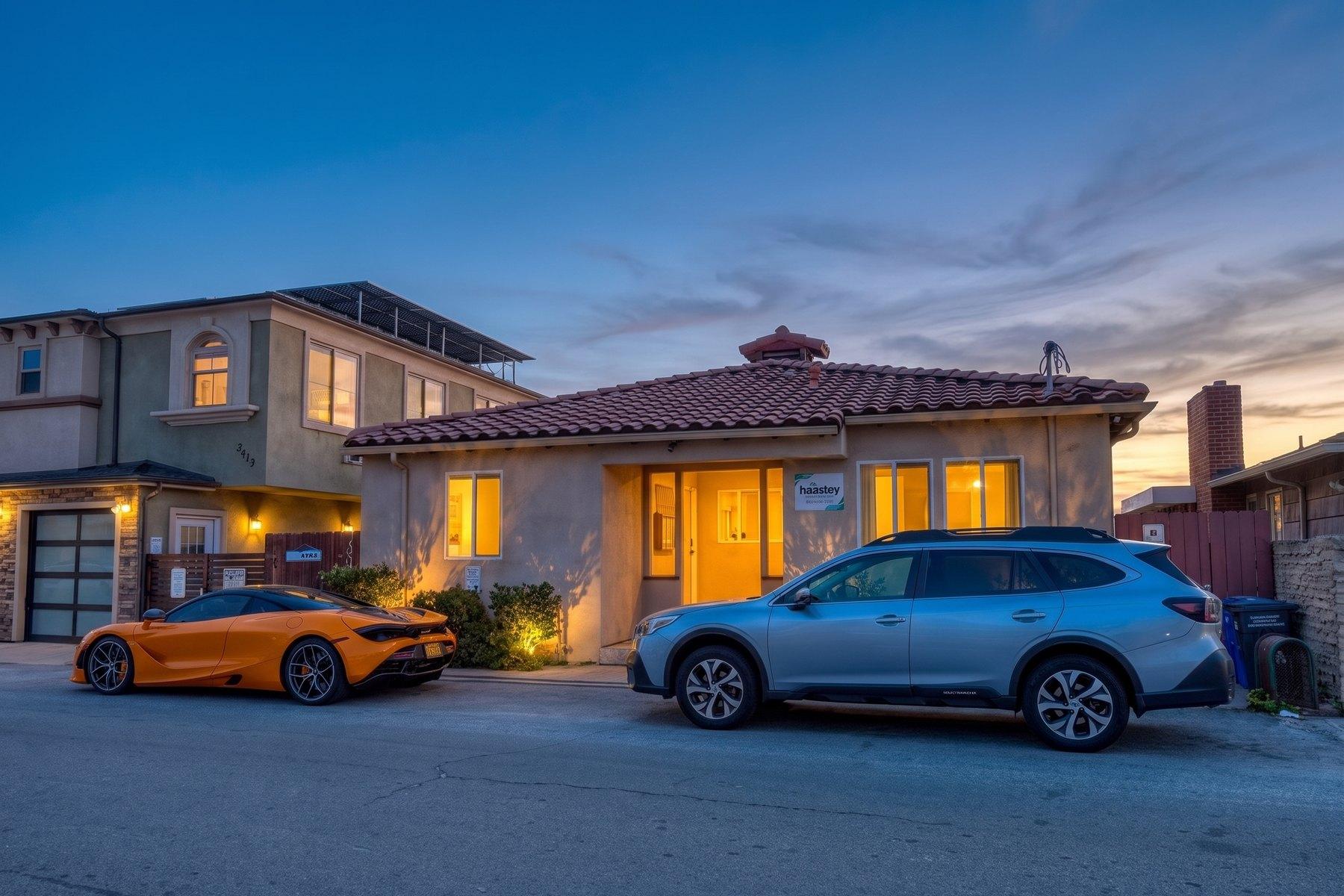
The fire pit or outdoor kitchen, especially at dusk if a twilight shot is booked
The view from the deck in coastal homes, from Point Loma to Encinitas
Which detail shots show off the staging?
Detail frames are where a stager's choices show: the texture of a throw, the scale of a vase, the styling on a shelf. They're also the frames agents use in social posts. With us, a set of five detail shots added to a listing shoot is $125. Our guide to detail and vignette photography explains how they're composed.
The vignette stagers and agents use most is often a styled corner of the living room or the dining table, because it shows the stager's touch in a single, shareable frame.
What are the most common mistakes in staged home photos?
Shooting before the stager finishes. Half-made beds and empty shelves end up on the MLS.
Mixed light. Warm lamps next to cool daylight bulbs make a room look patchy. Match the bulbs.
Too wide. An ultra-wide lens makes rooms feel huge in photos and small in person, which disappoints buyers.
Missing the outdoor staging. The patio furniture was staged too, and it often sells the house.
No vignettes. Without details, the staging reads as furniture rather than design.
How many photos does a staged listing need?
More than an empty one. Staging adds frames worth showing: the vignettes, the set table, the styled patio. A typical staged three-bedroom home in San Diego might produce two wide frames of the living room, one or two of the kitchen and dining, one per bedroom, the primary bath, two or three outdoor frames, and five or more details. That's often 25 to 40 images, compared with a leaner set for a vacant home.
Our listing photography is full coverage, with no photo caps, so the shot list sets the count, not a package limit. Our guide to how many photos a listing should have covers the MLS side.
What does the photographer need from the stager and the agent?
A heads-up on the install date, so the shoot can be booked right after.
The list of staged rooms, and any room left empty.
The hero features the stager wants captured, such as a statement light or a custom rug.
Access and timing: lockbox details, alarm codes, and when the home must be clear.
Who gets the photos, and for what use, agreed before the shoot.
When the stager, agent, and photographer agree these five things in one email, the shoot runs faster and everyone gets the frames they need.
How should you prepare, and what about rooms you didn't stage?
Steam bedding and smooth throws just before the photographer arrives.
Turn on every lamp and use matching bulb colors.
Open blinds evenly, and remove anything the stager didn't place.
Hide price tags, tape, and packing materials.
Agree which rooms are staged and which are empty before the shoot.
Rooms left empty can still be furnished in the photos with virtual staging, $35 per photo with us for the first few, clearly labeled. California's AB 723 requires agents to disclose digitally altered listing photos.
Matching bulb colors and opening blinds evenly are prep steps that noticeably change a staged shoot, because they make the light in every room look consistent.
Frequently asked questions
How many photos does a staged home need?
Every staged room with a wide frame, one or two vignettes per hero room, and the outdoor spaces. That is usually more than a basic listing set.
Should the stager be at the shoot?
It helps. A stager can fix a pillow or move a lamp in seconds that a photographer might not notice.
Can empty rooms be staged in the photos?
Yes, with virtual staging, $35 per photo with us for the first few. Label it, as California requires.
When should a staged home be photographed?
Right after install and before the first showing, while every room is exactly as styled.
Should outdoor staging be photographed at dusk?
If a twilight shot is booked, yes. Patio lights, fire pits, and string lights look their best just after sunset.
Can the stager use the photos?
With a license from the photographer. Our stager partner program sends licensed photos to partners after agents book with their code.
For San Diego home stagers
Join the free stager partner program and get licensed photos of the homes you stage.